
“I came here feeling like I was operating at 60% of my capacity — tired, bloated, foggy, and increasingly anxious. By Day 8 of the Panchakarma something shifted. By Day 14 I felt genuinely well for the first time in two years. The skin changes alone were remarkable — people kept asking what I had done differently.”

Detox & Rejuvenation
Empty out. Build back up. Shine from within.
Panchakarma is not a luxury spa treatment. It is Ayurveda's most powerful clinical intervention — a complete physiological reset that eliminates accumulated toxins, restores all three Doshas to balance, and rebuilds every tissue from the inside out. Done properly, in a hospital setting, the results last months to years.
- 3 Specialist Programmes
- 7–21 Day IPD Packages
- NABH Hospital, Not a Spa

“Shodhana — purification — removes the root of disease. Shamana — palliation — merely suppresses it. A physician who only pacifies but never purifies has treated the branch, not the tree.”— Charaka Samhita, Sutra Sthana 16.20
A medically supervised physiological detoxification programme.
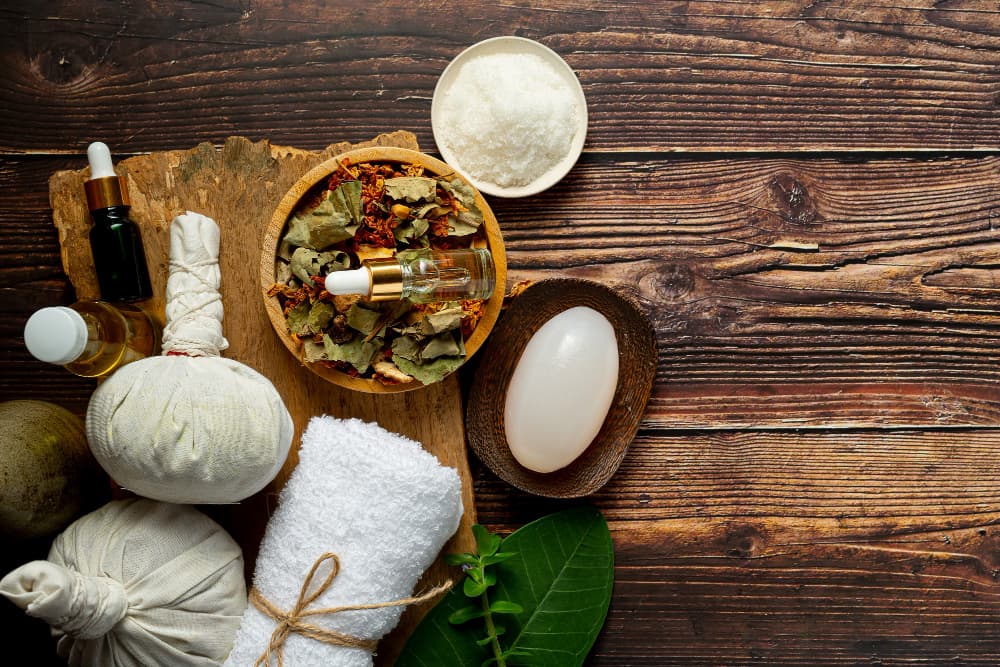
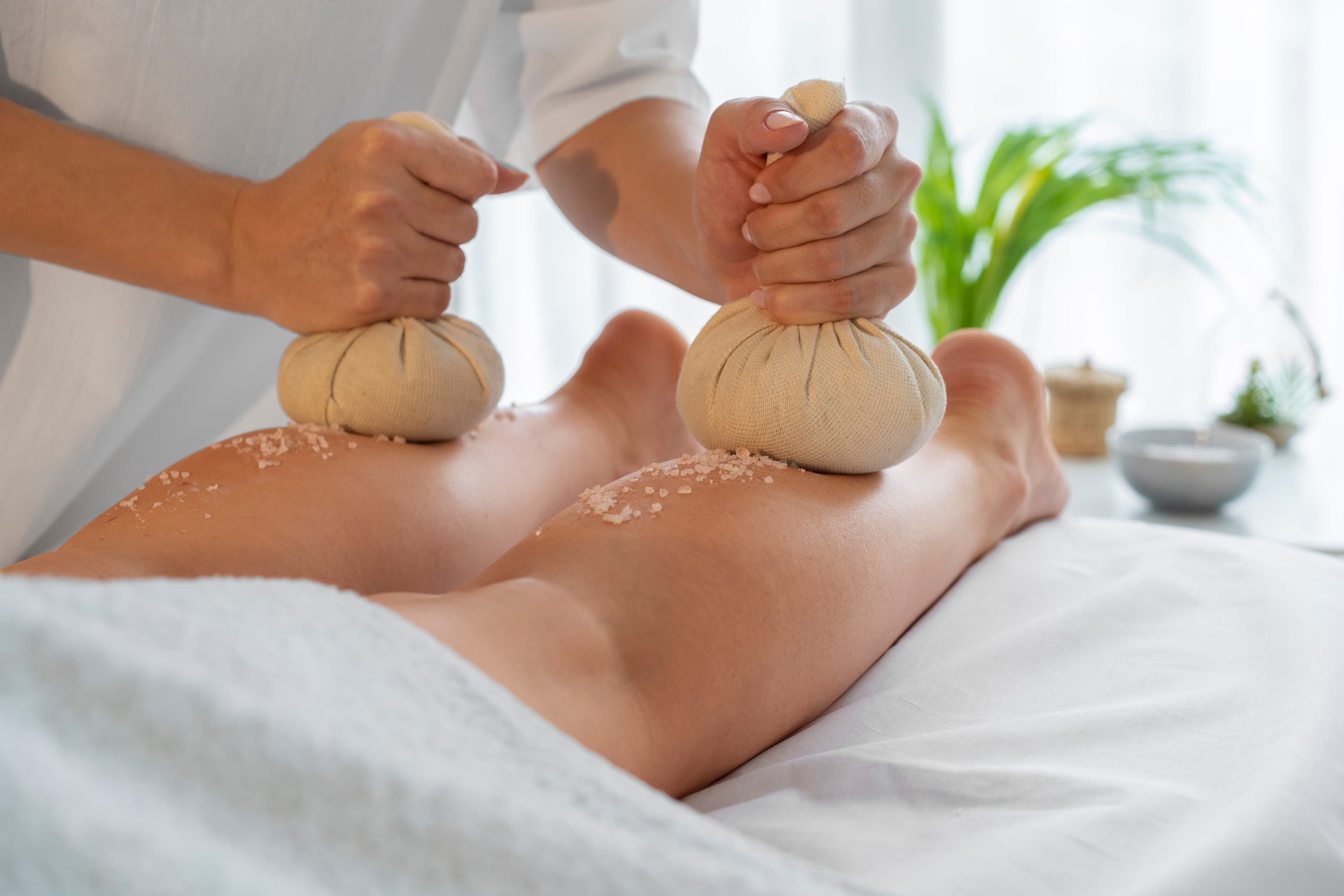
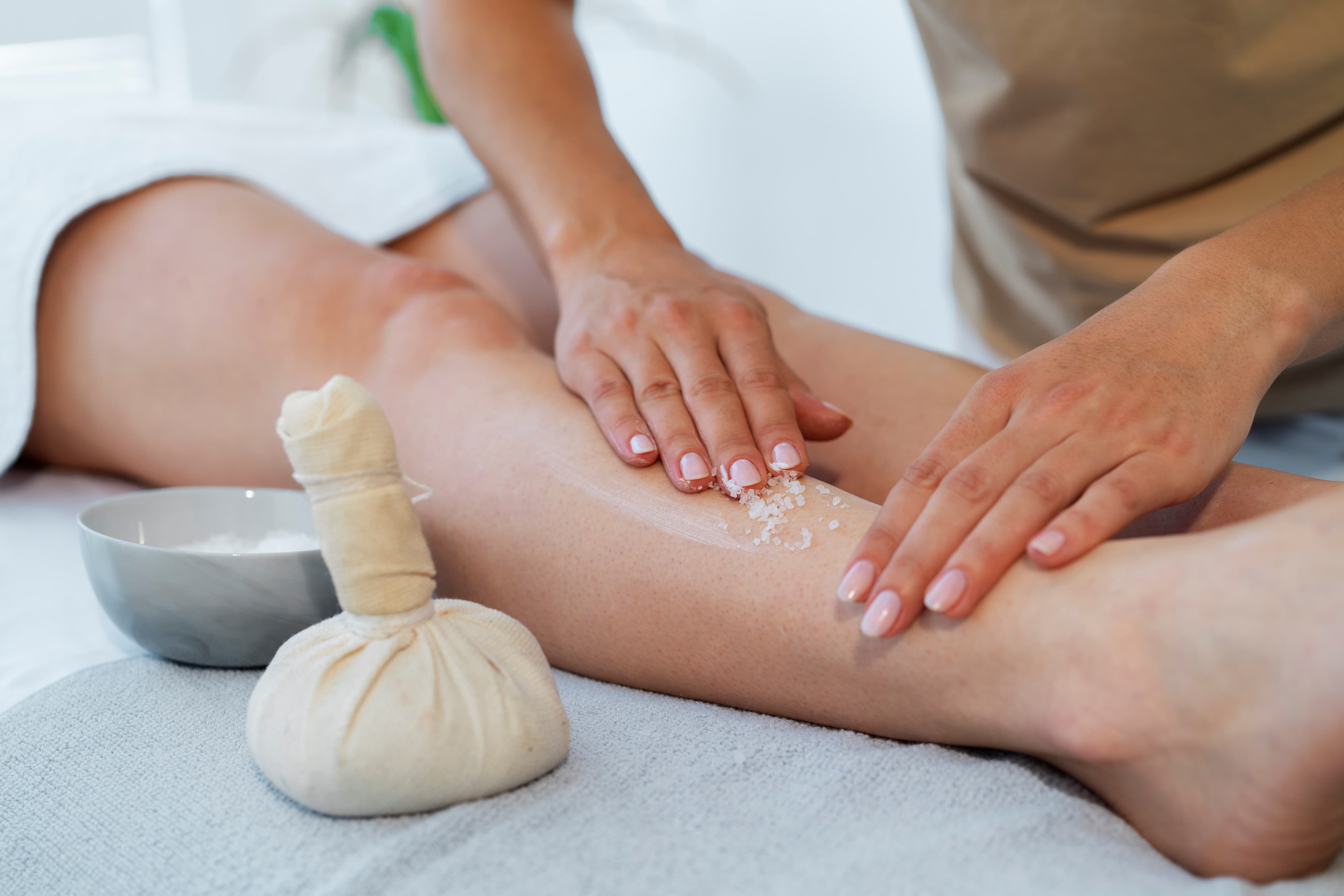
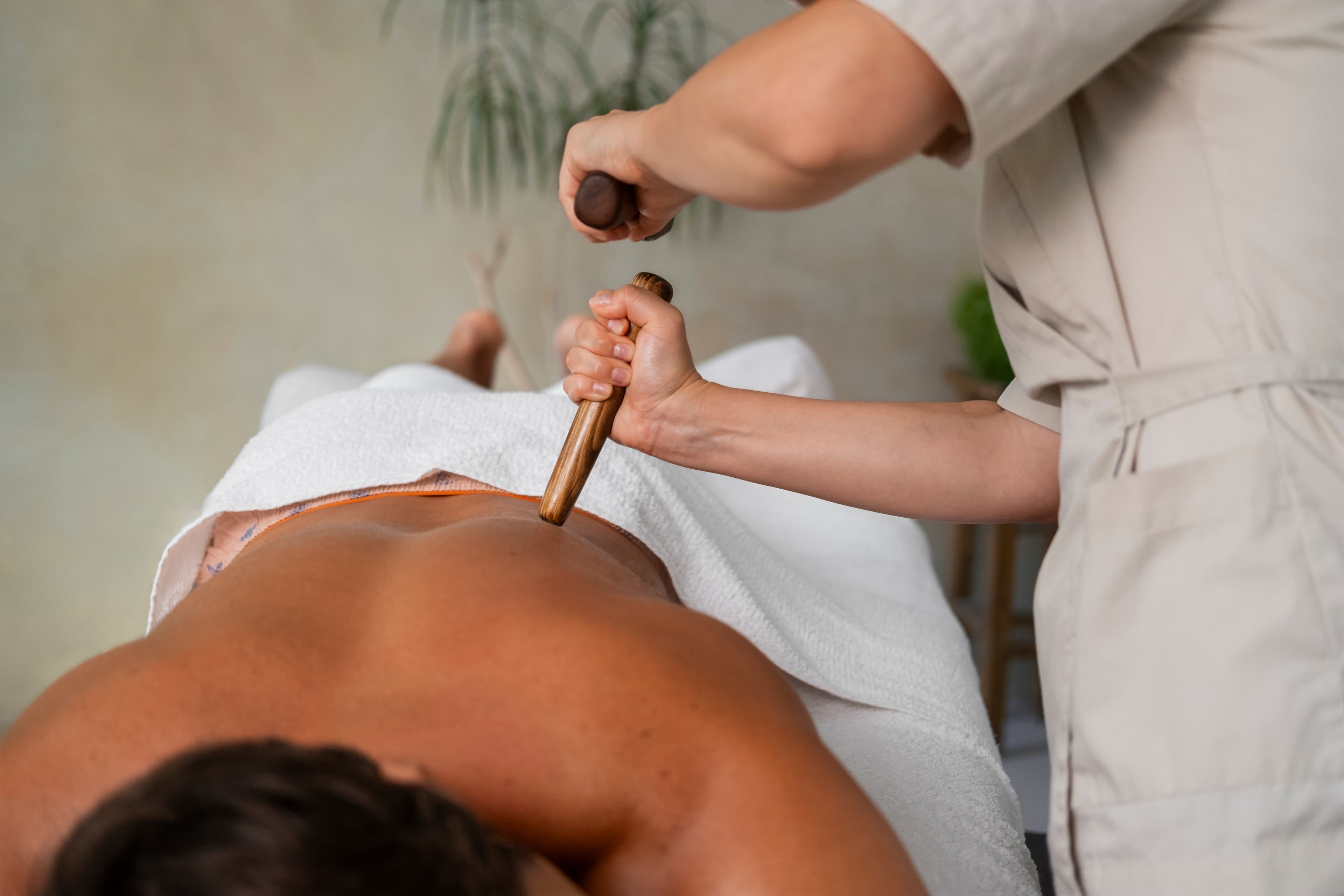
Modern wellness culture has diluted Panchakarma to mean oil massage and steam. Authentic Panchakarma — as performed at Ishan — is a medically supervised physiological detoxification programme that requires pre-procedure preparation (Purvakarma), precise intervention (Pradhana Karma), and a carefully managed post-procedure rebuilding phase (Paschatkarma). Performed in our NABH-accredited facility by Ayurvedic physicians — not technicians — with pre-treatment consultation, daily monitoring, and individually formulated medicines, our Panchakarma produces outcomes that a spa day-visit cannot replicate.
- 3SPECIALIST PROGRAMMES
- 7–21DAY IPD PACKAGES
- NABHHOSPITAL, NOT A SPA

Signs your body needs a Panchakarma reset
These are not diseases — they are pre-disease signals. Ama Sanchaya (toxin accumulation) produces a recognisable pattern across all Doshas. If you recognise yourself in three or more of these, a Panchakarma consultation is indicated.
Persistent Fatigue & Low Energy
Tiredness that sleep doesn't fix. You rest but wake unrefreshed. This is the cardinal sign of Ama blocking the Srotas (channels) — toxins preventing cellular nutrition. Not a psychiatric symptom. A physiological blockage that Panchakarma directly removes.
Morning heavinessBrain fogDigestive Sluggishness & Bloating
Heaviness after meals, bloating, irregular bowel habits, coated tongue, and loss of appetite. The coated tongue (Ama on Jihva) is Ayurveda's direct window into Ama accumulation — the gut is the primary site of toxin production and the primary target of Panchakarma.
Coated tongueIrregular bowelsDull Skin, Hair Loss & Puffiness
Skin that has lost its natural glow — dull, blotchy, or grey-toned. Increased hair fall. Morning puffiness around eyes and face. These are Rasa and Rakta Dhatu toxicity signals — the blood and plasma are carrying Ama, and the skin and hair are the first to show it.
Dull skin toneHair fallJoint Stiffness & Body Aches
Generalised body aches, joint stiffness especially in the morning, and a feeling of heaviness in the limbs. Ama depositing in Shleshaka Kapha (joint fluid) — the first stage of joint disease that has not yet become arthritis. The ideal intervention window.
Morning stiffnessHeavy limbsMental Fog, Anxiety & Irritability
Difficulty concentrating, emotional reactivity, mild anxiety, irritability without clear cause, and a sense of mental cloudiness. Ama in the Manovaha Srotas (mind channels) produces these signs — and they often resolve dramatically within the first week of Panchakarma, before any other treatment begins.
Difficulty focusingLow-grade anxietyUnexplained Weight Gain
Weight that accumulates despite reasonable diet and exercise — particularly around the abdomen. Reflects Meda Dhatu Dushti (fat tissue toxicity) combined with impaired Agni and sluggish lymphatic drainage. Virechana and medicated Basti directly address this metabolic toxicity pattern.
Abdominal weight gainWater retention
What genuine Panchakarma looks like
The word Panchakarma means "five actions" — Vamana (emesis), Virechana (purgation), Basti (enema), Nasya (nasal), and Raktamokshana (bloodletting). Not all five are used in every programme — the selection depends entirely on the Dosha pattern, the season, the patient's strength (Bala), and the treatment goal. A competent Ayurvedic physician selects the appropriate procedures after assessment, not from a fixed package menu.
- 1
Purvakarma — Preparation (Days 1–5)
Internal Snehana (medicated ghee given in escalating doses for 3–7 days until Samyak Snigdha Lakshanas appear — oleation signs). Bahya Snehana (external Abhyanga daily). Swedana (steam). Without proper Purvakarma, the main procedures cannot work — you cannot sweep a floor before loosening the dirt.
- 2
Pradhana Karma — Core Procedures (Days 5–14)
The central detoxification procedures — Vaman - 5-6 days, procedure, Virechana on Day 6–7 (after Purvakarma is complete), followed by a full Basti course (Karma Basti: 16 procedures in 22 days, or Yoga Basti: 8 in 12 days). Nasya on Days 5–9. Each procedure is monitored — dose, timing, and response — and adjusted daily by the physician.
- 3
Samsarjana Krama — Dietary Reintroduction (Days 14–21)
The post-Virechana dietary protocol — beginning with rice water (Peya), progressing to Vilepi (thin gruel), then Akrita Yusha (unseasoned soup), Krita Yusha, Akrita Mamsa Rasa, Krita Mamsa Rasa, and finally normal food over 5–7 days. This is not optional — it is as medically important as the procedure itself, restoring Agni safely.
- 4
Rasayana — Rebuilding (Weeks 3–12)
Once the body is purified and Agni is fully restored, Rasayana therapy begins — rebuilding each Dhatu in sequence (Rasa → Rakta → Mamsa → Meda → Asthi → Majja → Shukra/Artava). Classical Rasayanas like Chyavanprash, Ashwagandha Rasayana, Amalaki Rasayana, and Brahma Rasayana are prescribed based on the specific Dhatus depleted. This phase creates the lasting transformation.
- 5
Dinacharya & Ritucharya — Daily & Seasonal Routine
A personalised daily routine prescription — wake time, oil pulling (Gandusha), Nasya, Abhyanga, yoga sequence, meal timing, sleep hygiene — forms the maintenance framework that sustains the Panchakarma results indefinitely. Seasonal Panchakarma (once or twice yearly at Vasanta and Sharad transitions) is recommended to prevent re-accumulation.


Why Ama builds up
Understanding the root causes of Ama accumulation helps you make the dietary and lifestyle corrections that make Panchakarma's results last.
Incompatible & Heavy Foods
Cold, processed, heavy, excessively oily or spicy foods suppress Agni. Viruddha Ahara (incompatible combinations — e.g. milk with sour fruits) is a primary Ama generator in the Indian diet.
Chronic Psychological Stress
Sustained cortisol elevation suppresses digestive enzymes, slows motility, disrupts sleep, and generates Manas Ama (mental toxins) — which are just as damaging as physical toxins and respond dramatically to Shirodhara and Basti.
Disrupted Circadian Rhythm
Late eating, irregular meal times, sleeping past 7 AM, and night-shift work profoundly impair Agni. Ayurveda's Dinacharya (daily routine) resets circadian biology — this is the single most powerful Ama prevention measure.
Suppression of Natural Urges
Habitually suppressing defecation, urination, hunger, thirst, or sleep — common in urban professional life — directly disturbs Apana Vata and generates Ama in the large intestine, the primary Vata organ.

Our Panchakarma wing
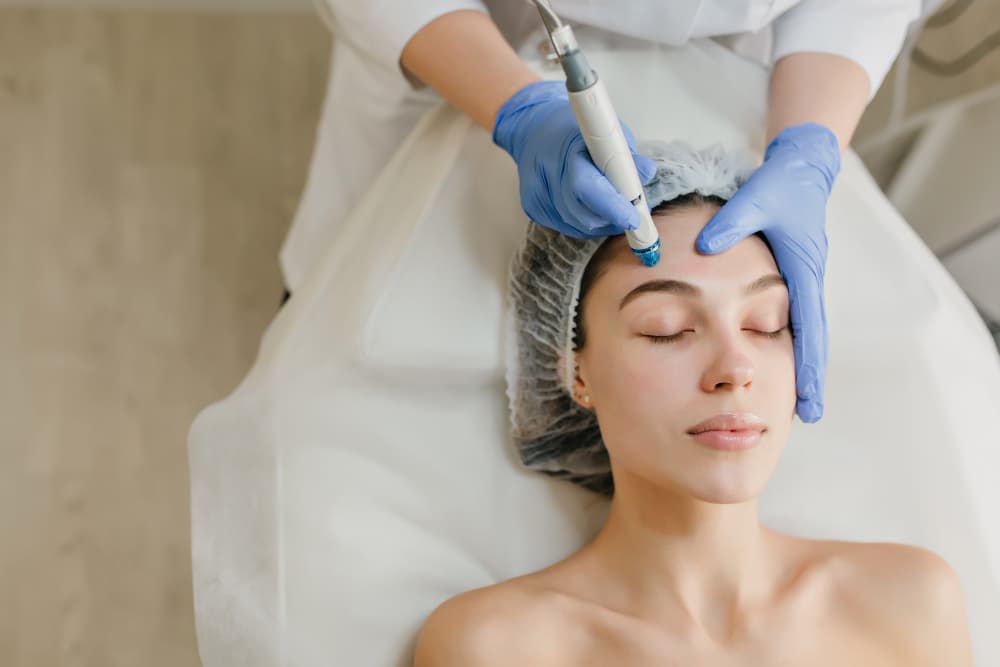
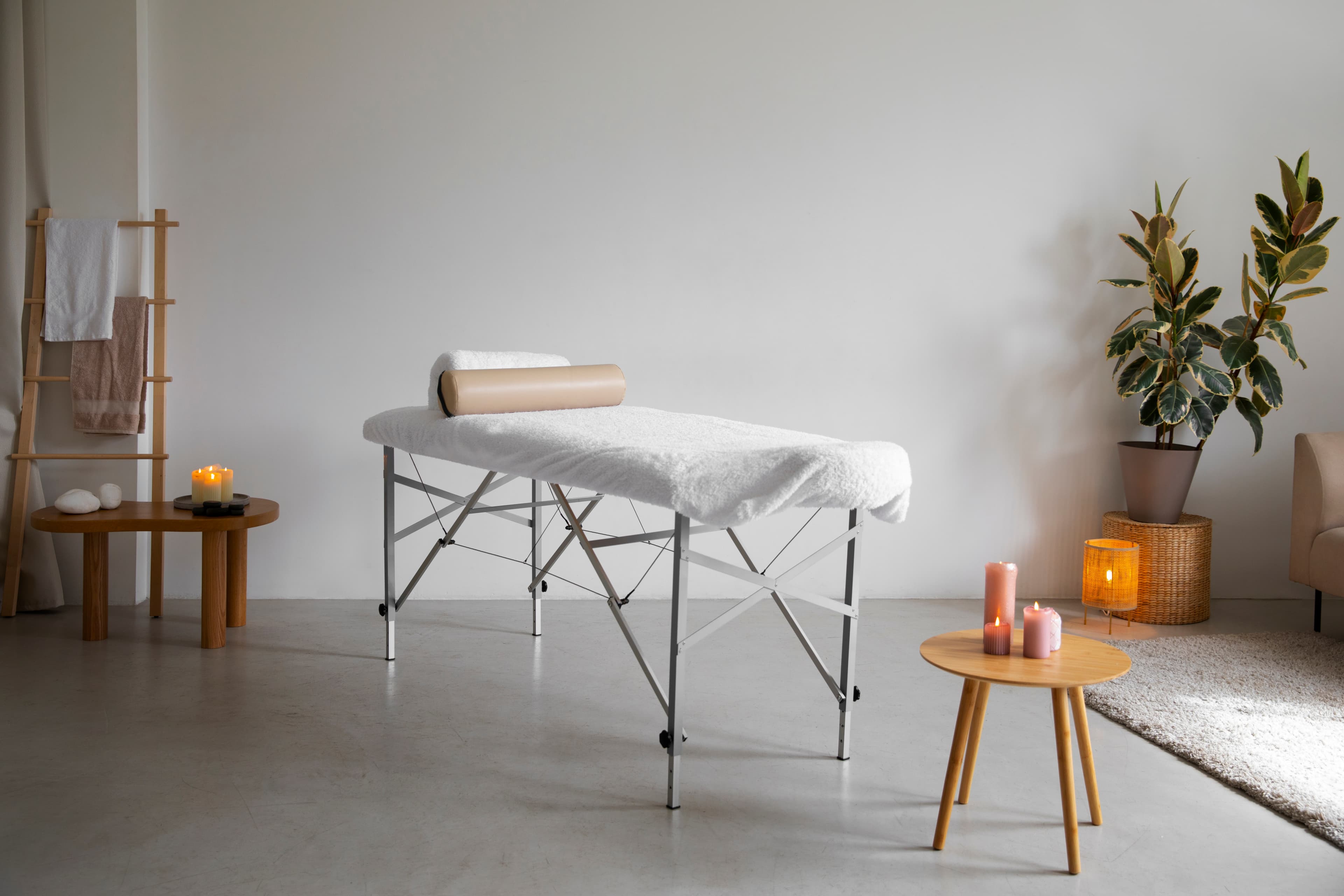
Purpose-built Panchakarma therapy rooms — private, clean, calm, and medically supervised. Every session observed and adjusted by a physician.


Real lives. Real healing. Real freedom.
“I started the pre-bridal programme 4 months before my wedding. I had PCOD-related skin dullness and stress-driven hair fall. By the wedding day my skin had a glow I did not recognise — my makeup artist commented she had never seen such naturally even-toned skin. My hair fall reduced by at least 70%.”
Book Your Appointment
Ready to start your healing journey?
Schedule your appointment today,
Email - info@ishanayurved.com
Doctors who guide Panchakarma & rejuvenation
Our Panchakarma consultants deliver authentic hospital-based detox, Rasayana rejuvenation, pre-bridal glow and post-illness recovery programmes.


Related conditions we treat
Skin & Hair
Psoriasis, Eczema, Hair loss
Mind & Stress
Anxiety, Insomnia, Paralysis
Metabolic & Lifestyle
Diabetes, Obesity, Thyroid
Women's Health
PCOD, Hormonal, Fertility
When to seek immediate care
Panchakarma is contraindicated in certain conditions. Do not delay consultation if you experience any of these warning signs:
- Active fever or acute infection
- Severe cardiac or renal disease
- Extreme weakness or pregnancy
Frequently Asked Questions
At a NABH-accredited hospital like Ishan, Panchakarma is a medically supervised procedure: each patient is assessed by a physician, medicines are individually formulated, procedures are selected and sequenced based on Prakriti and the clinical picture, and there is daily physician review. Internal Snehana (medicated ghee), Virechana, and Basti are performed as prescribed — not replaced with relaxation massage. At a spa, "Panchakarma" typically means Abhyanga, steam, and Shirodhara — enjoyable, but not detoxification. Our patients leave with changed blood parameters, cleared skin, improved digestion, and lasting energy — not just temporary relaxation.
When performed under proper medical supervision, Panchakarma is very safe. The most common experience during Purvakarma and Virechana is fatigue and loose stools — expected responses closely monitored. Some patients experience mild headache during Nasya or emotional release during Shirodhara — both temporary and managed. Panchakarma is contraindicated during pregnancy, active fever, acute infection, severe cardiac or renal disease, and extreme weakness. A pre-programme medical screening ensures the programme is appropriate for your current health state.
Ideally 3–6 months before the wedding date. Virechana (blood purification) requires 2 weeks to complete, followed by 4–6 weeks of Rasayana for the skin-brightening effect to fully manifest. Hair improvements from hormonal correction and Shirodhara take 8–12 weeks to become visible. Last-minute bookings (4 weeks before) can produce good results for stress and skin surface — but the deep blood purification and hormonal improvements require the full lead time. Starting in Vasanta (March–April) is ideal for summer/autumn weddings.
For a 7-day OPD programme: desk work is manageable, though you should avoid travel, late nights, and heavy physical exertion. For a 14–21-day full programme: we strongly recommend taking leave during at minimum the Virechana day and the 2–3 days following. The internal Snehana phase (Days 1–5) can feel soporific — driving and operating machinery is not advised. For IPD: full rest is part of the treatment and work activities should be suspended.
With the correct Paschatkarma (post-programme Rasayana and dietary maintenance), a full 14–21-day course produces changes that last 6 months to 2 years — depending on lifestyle adherence. Patients who follow the post-programme Dinacharya, continue Rasayana medicines for 3–6 months, and return for seasonal Panchakarma once or twice yearly maintain their results indefinitely. Patients who return to irregular diet, late nights, and chronic stress may begin to notice Ama re-accumulating after 4–6 months.
IPD Panchakarma stays are covered under health insurance policies that include an Ayush benefit clause — including most CGHS policies and many corporate health plans. Ishan is CGHS empanelled and works with 40+ insurance companies. The post-illness recovery programme in particular is often covered as a medical Panchakarma IPD admission. Our insurance desk will verify your coverage and initiate pre-authorisation where required, at no charge.