




Ishan Ayurvedic Hospital

Women's Health

Restore balance, reclaim your health

Hormonal disorders, menstrual pain, PCOD, infertility — these are not conditions you simply manage for life. Ayurveda addresses the root hormonal and metabolic imbalances that conventional medicine treats only symptomatically. Lasting correction is possible, at every stage of a woman's life.

  • Conditions Treated at Every Life Stage
  • Dedicated Prasuti & Stri Roga Department
  • On-Campus Gynae OT & Uttarbasti Facility
Available Mon – Sat · 10:00 AM – 6:00 PM
Book Appointment
Women's health consultation at Ishan Ayurvedic Hospital.
WE UNDERSTAND
A woman's health rests on the harmony of Artava — the menstrual cycle is not merely a reproductive function but a monthly reflection of her entire Dosha balance, Dhatu health, and Agni strength.
Charaka Samhita, Sharira Sthana
ABOUT US

A hospital dedicated to women's health at every life stage.

Modern gynaecology manages hormonal disorders through oral contraceptive pills, hormone therapy, and surgery. Ayurveda asks a different question: why did the Artava Vaha Srotas (menstrual channels) become imbalanced in the first place? At Ishan, every woman undergoes a complete Prakriti assessment, Agni evaluation, and Artava Pariksha before treatment begins — identifying the precise Dosha imbalance and Dhatu involved. Our dedicated Prasuti Evum Stri Roga (Obstetrics & Gynaecology) department, with an on-campus Gynae OT and Uttarbasti facility, offers the full range of Ayurvedic women's care.

  • 8+CONDITIONS TREATED
  • 3,000+WOMEN HELPED
  • DedicatedGYNAE OT ON CAMPUS
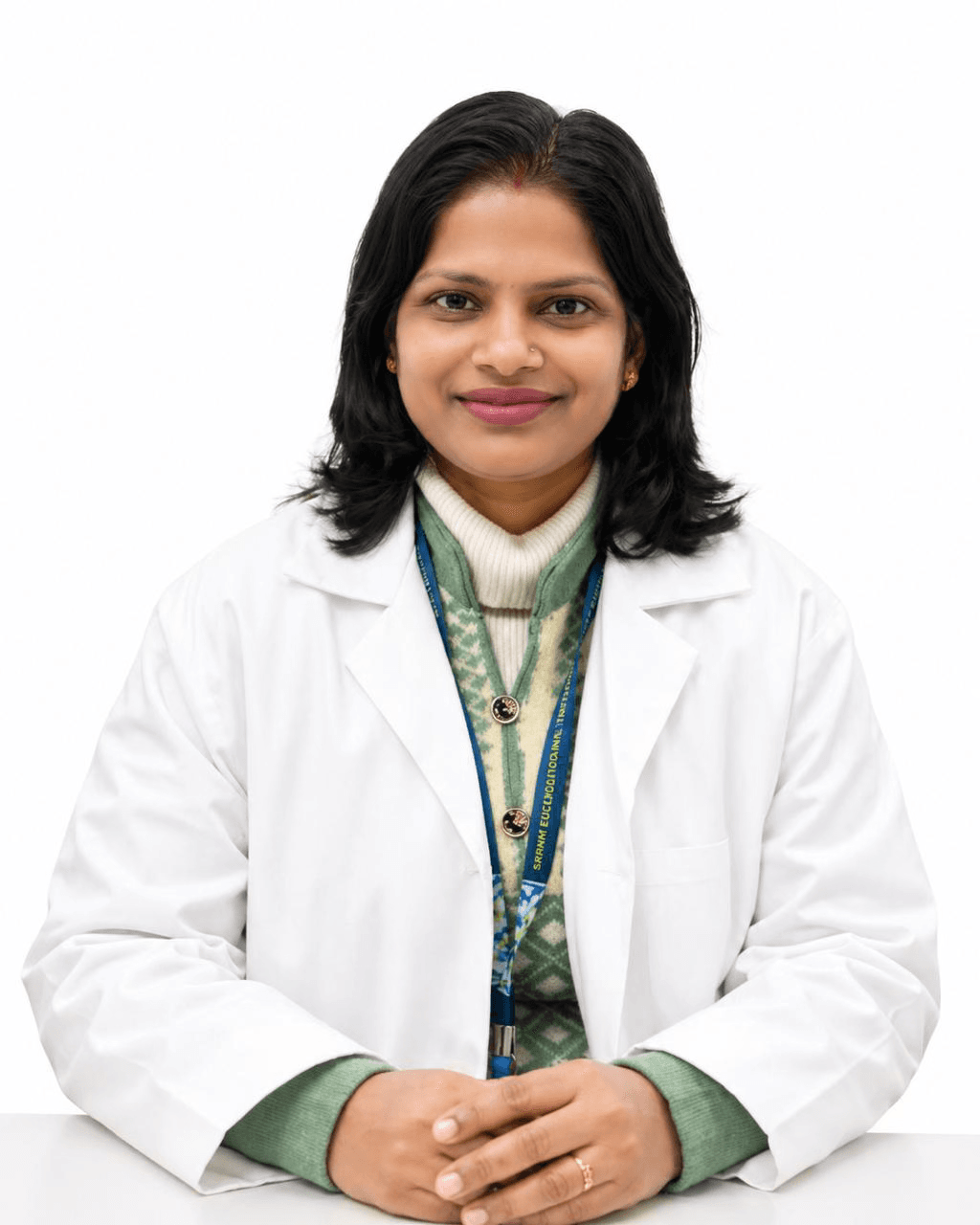
Ayurvedic Stri Roga specialist consulting with a woman patient.
CONDITIONS WE HEAL

Women's health conditions we care for

From adolescent menstrual irregularities to post-menopausal concerns, our specialists design personalised Ayurvedic protocols for every stage of a woman's life.

  • PCOD / PCOS (Aartava Kshaya)

    Polycystic Ovarian Disease — the most common hormonal disorder in women of reproductive age. Caused by insulin resistance, elevated androgens, and Kapha-Vata imbalance. Ayurveda corrects the metabolic root rather than suppressing symptoms with OCPs.

    Irregular periodsWeight gain
  • Female Infertility (Vandhyatva)

    Inability to conceive after 12 months of regular unprotected intercourse. Causes include ovulatory dysfunction, tubal factors, endometriosis, thin endometrium, and unexplained infertility. Ayurveda strengthens Artava Dhatu and prepares the uterine environment for conception.

    AnovulationLow AMH
  • Menstrual Disorders (Artava Dusti)

    Dysmenorrhoea (painful periods), oligomenorrhoea (infrequent), menorrhagia (heavy bleeding), amenorrhoea (absent periods), and premenstrual syndrome — all classified as Artava Dusti. Ayurveda addresses the Dosha imbalance regulating each type.

    Painful crampsIrregular cycles
  • Post-natal Care (Sutika Paricharya)

    The 6-week post-delivery period is a critical phase of Vata dominance requiring deep nourishment. Ayurveda's Sutika Paricharya — medicated oils, herbal decoctions, dietary protocols, and Panchakarma — restores strength, prevents post-partum depression, and supports lactation.

    Post-partum weaknessLow milk supply
  • Endometriosis & Fibroids

    Endometrial tissue growth outside the uterus causes chronic pelvic pain, heavy periods, and infertility. Uterine fibroids cause pressure and bleeding. Both reflect deep Kapha and blood toxicity. Ayurveda offers significant reduction in symptoms and size without surgery in many cases.

    Chronic pelvic painHeavy bleeding
  • Leucorrhoea (Shweta Pradara)

    Abnormal white or yellowish vaginal discharge — chronic or recurrent — indicating Kapha imbalance and often associated with pelvic infections, weakened immunity, or hormonal irregularity. Ayurvedic treatment clears the infection, strengthens the mucous membranes, and prevents recurrence.

    White dischargePelvic discomfort
  • Menopausal Syndrome (Rajonivrutti)

    Hot flushes, night sweats, vaginal dryness, mood swings, insomnia, osteoporosis risk — the cluster of symptoms marking Rajonivrutti (menopause) reflects a profound Vata-Pitta shift. Ayurveda manages this transition with Rasayana and hormone-balancing herbs, avoiding HRT side effects.

    Hot flushesMood disturbances
  • Thyroid & Hormonal Imbalance

    Hypothyroidism is the most underdiagnosed cause of irregular periods, weight gain, infertility, and fatigue in women. Ayurveda addresses the Kapha-Vata thyroid imbalance and its downstream effect on reproductive hormones — FSH, LH, prolactin, and progesterone — through targeted Rasayana therapy.

    Weight gainFatigue & brain fog
  • Recurrent Pregnancy Loss (Garbhasrava)

    Repeated miscarriages (2 or more) indicate Garbhashaya Daurbalya — uterine weakness, Vata imbalance, or immune incompatibility. Ayurvedic Garbha Stabilisation protocols using Shatavari, Ashwagandha, and Uttarbasti strengthen uterine receptivity and reduce recurrence risk significantly.

    2+ miscarriagesWeak uterine lining
OUR APPROACH

How Ayurveda treats women's health disorders

All gynaecological disorders in Ayurveda have their root in the Artava Vaha Srotas — the channels responsible for menstrual and reproductive function. These channels are governed primarily by Apana Vata (the downward-moving sub-dosha) with significant contributions from Pitta (regulating hormones and blood quality) and Kapha (governing follicle growth and uterine lining).

  1. 1

    Comprehensive Gynaecological Assessment

    Detailed menstrual history, obstetric history, dietary and lifestyle assessment, Nadi Pariksha (pulse diagnosis), and review of all investigations — ultrasound, hormonal panels (FSH, LH, AMH, prolactin, thyroid, testosterone), and prior treatment history. No two women present the same clinical picture.

  2. 2

    Agni Correction & Internal Medicines

    Strengthening digestive fire is the first priority — because hormonal imbalance always begins with impaired Agni and resulting Ama accumulation. Classical formulations like Ashokarishta, Shatavari Kalpa, Chandraprabha Vati, Pushyanuga Churna, and Dashamoola Kashayam are prescribed based on the Dosha picture and menstrual phase.

  3. 3

    Panchakarma Shodhana

    Virechana (therapeutic purgation) corrects the Pitta-blood axis — indicated for endometriosis, PCOD with acne, and menorrhagia. Basti (medicated enema) directly addresses Apana Vata — the governing force of the reproductive system — making it the most important Panchakarma for infertility, amenorrhoea, and PCOD. Uttarbasti is a specific intra-uterine medicated oil instillation used for tubal blockage, thin endometrium, and uterine scarring.

  4. 4

    External Therapies

    Abhyanga (medicated oil massage with hormone-supporting oils), Kati Basti (warm oil retention over the lower abdomen — for uterine and ovarian conditions), Yoni Pichu (medicated oil tampons for vaginal and cervical health), and Shirodhara (for stress-induced hormonal disruption and menopausal insomnia) are selected as per the condition.

  5. 5

    Rasayana, Diet & Lifestyle

    Rasayana therapy with Shatavari, Ashwagandha, Lodhra, Vidari, and Kapikacchu rebuilds Artava Dhatu (reproductive tissue) and restores hormonal balance. Dietary protocol — reducing processed foods, seed cycling support, anti-inflammatory guidelines — and specific yoga asanas (Supta Baddhakonasana, Malasana, Sarvangasana) are prescribed for home practice.

Ayurvedic Stri Roga specialist performing Nadi Pariksha during consultation.
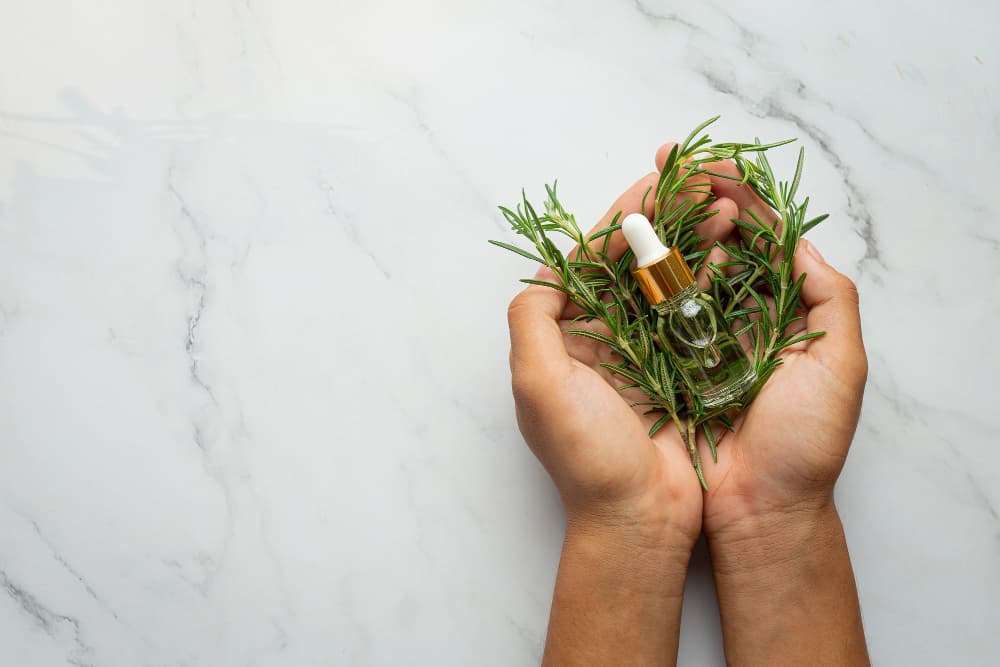
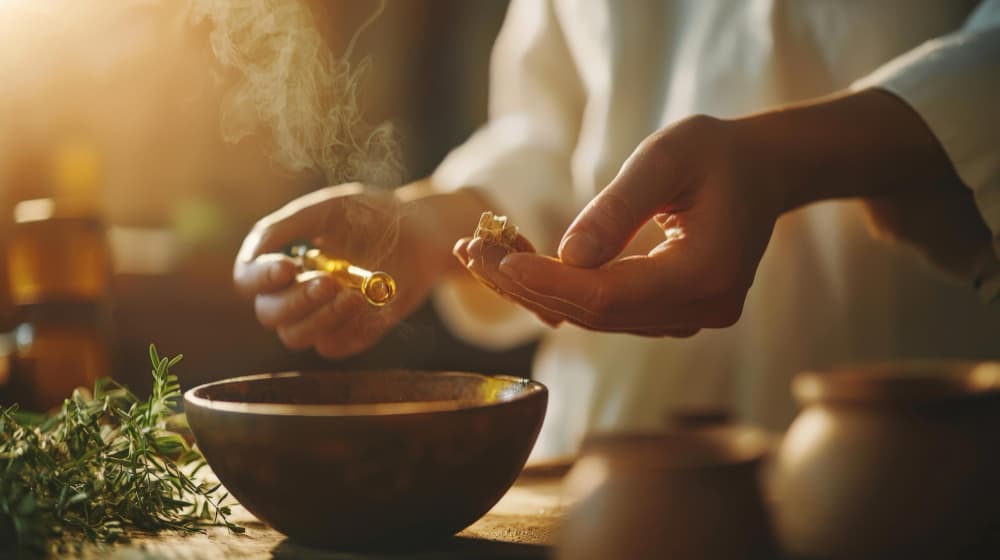
Therapist preparing medicated oils for a women's health Panchakarma procedure.

Ayurvedic root causes

Women's health disorders arise from specific Dosha-Dhatu imbalances. Identifying these precisely determines the treatment protocol.

  • Apana Vata Imbalance

    Governs downward functions — menstruation, ovulation, conception, delivery. Vitiated Apana Vata causes scanty/painful periods, infertility, anovulation, constipation-linked hormonal issues, and miscarriage tendency.

  • Pitta (Rakta) Imbalance

    Excess Pitta causes heavy bleeding (menorrhagia), endometriosis, inflammatory pelvic conditions, acne with PCOD, early menopause with heat symptoms, and pregnancy complications involving inflammation.

  • Kapha Imbalance

    Excess Kapha causes PCOD (follicular cysts are Kapha growth), fibroids, leucorrhoea, weight gain with hormonal disorders, scanty periods due to obstruction, and hypothyroid-linked menstrual irregularity.

  • Artava Dhatu Kshaya

    Depletion of the reproductive tissue — seen in low AMH, premature ovarian insufficiency, post-pill amenorrhoea, and recurrent miscarriage. Rebuilt through Shatavari-based Rasayana and Basti karma.

Our Women's Health treatment wing

A dedicated Prasuti Evum Stri Roga department — with private consultation rooms, a procedure suite for Uttarbasti, and a fully equipped Gynae OT.

Women's health OPD — private consultation room.
Uttarbasti procedure room set up under sterile conditions.
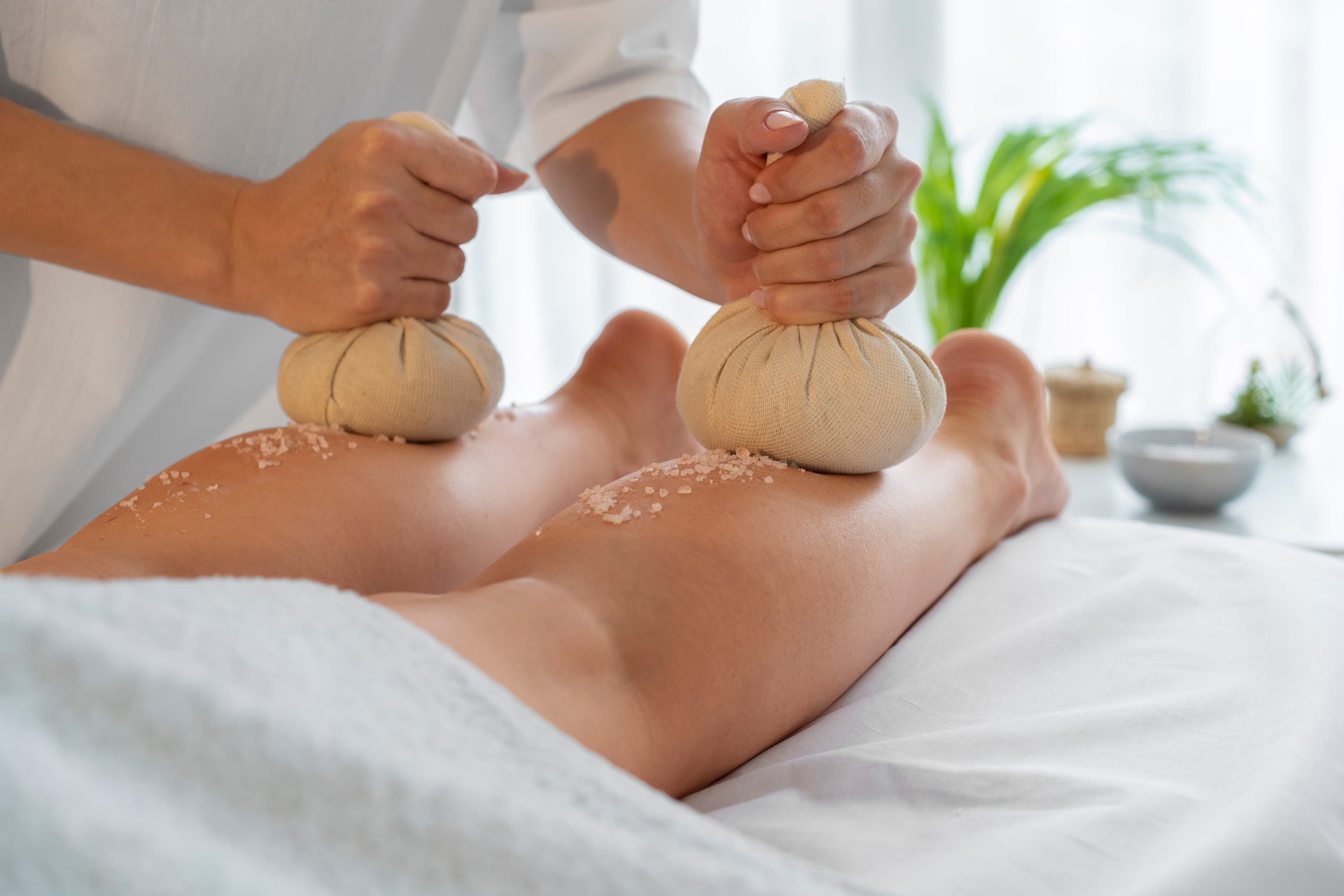
Post-natal Abhyanga therapy with warm medicated oils.
Panchakarma Basti unit for women's health treatments.
On-campus Gynae OT equipped for gynaecological procedures.

Real lives. Real healing. Real freedom.

PCOD — 5 months treatment
I was on birth control pills for 4 years for my PCOD. My periods had become completely pill-dependent. After 5 months at Ishan — Basti karma, medicines, and a diet overhaul — my periods came on their own for the first time in years. My AMH also improved on repeat testing.
NK
Neha KapoorAge 28 · Noida
Infertility — 9 months treatment
After 2 failed IVF cycles and being told my endometrium was too thin, I came here as a last option. The doctors did 3 cycles of Uttarbasti and Basti karma. My lining improved to 8mm on repeat scan. I conceived naturally 4 months later. I still can't believe it.
RS
Ritu SinghAge 34 · Greater Noida

Book Your Appointment

Ready to start your healing journey?
Schedule your appointment today,

🇮🇳 +91

Email  - info@ishanayurved.com

Doctors who treat women's health conditions

Our Gynae Obs consultants specialise in PCOD, infertility, menstrual disorders, prenatal care and Uttar Basti — restoring hormonal and reproductive balance.

Dr. Archana Singh

Dr. Archana Singh

Medical Consultant - Gynae Obs

BAMS, MD (Ayu.)

Ayurvedic Prenatal Care & Fetal Development Program (Garbh Sanskar) • Tubal blockage • Infertility

13 years experience

Mon-Sat | 9:00 AM - 4:00 PM

Dr. Laxmi Singh

Dr. Laxmi Singh

Medical Consultant - Gynae Obs

BAMS, MD (Ayu.)

Ayurvedic Intra-Uterine Therapy for Gynaecological Disorders(Uttar basti) • PCOS

8 years experience

Mon-Sat | 9:00 AM - 4:00 PM

Dr. Shivani Kapil

Dr. Shivani Kapil

Medical Consultant - Gynae Obs

BAMS, MD (Ayu.)

PCOD • Infertility

17 years experience

Mon-Sat | 9:00 AM - 4:00 PM

Do not delay — seek care if you notice these signs

These symptoms require prompt evaluation. Early treatment gives significantly better outcomes in all gynaecological conditions.

  • Periods absent for 3+ months
  • Bleeding between periods
  • Severe pelvic pain mid-cycle
Call 8448797705

Frequently Asked Questions

  • Yes — and this is one of Ayurveda's strongest outcomes. PCOD is fundamentally a Kapha-Vata metabolic disorder with insulin resistance at its root. Oral contraceptive pills regulate the cycle artificially but do nothing to address the underlying hormonal imbalance — which is why periods often stop again when OCPs are discontinued. Ayurvedic treatment with Basti karma, cycle-synchronised medicines (Shatavari, Chandraprabha, Rajapravartini Vati), dietary correction, and weight management restores natural ovulation. Most patients see cycle regularity within 3–5 months. Hormonal panels (LH/FSH ratio, testosterone) normalise over 6–9 months of treatment.

  • Uttarbasti is an Ayurvedic procedure where medicated oil or ghee is instilled into the uterine cavity through the cervix using a sterile catheter. It is performed in our dedicated procedure room under aseptic conditions by a trained Prasuti specialist. Most patients experience mild discomfort similar to a Pap smear — not significantly painful. A typical course involves 3–5 sessions on alternate days, timed to the follicular phase of the cycle (Day 5–10). It is contraindicated during active infection and pregnancy. Post-procedure rest of 2 hours is recommended. It is not available at most Ayurvedic centres — we are one of the few NABH-accredited facilities offering it.

  • Infertility treatment requires patience. A minimum of 3 menstrual cycles (3 months) is needed to see initial improvements in hormonal parameters and cycle quality. The full treatment course is typically 6–12 months before conception is attempted naturally. We advise repeating the hormonal panel and ultrasound at 3 months to assess progress. In cases where we are working alongside IVF, Ayurvedic preparation for 3–6 months before the embryo transfer significantly improves endometrial receptivity and outcomes. We set honest, realistic expectations at the first consultation.

  • In most cases, yes — with careful coordination. Our doctors review your existing prescriptions at the first consultation. Most Ayurvedic herbal formulations are safe alongside hormonal medications, thyroid treatment, and metformin. We never advise stopping prescribed medications abruptly. If you are on blood thinners, immunosuppressants, or undergoing chemotherapy, specific formulations are selected or excluded accordingly. Where a taper-down from hormonal medication is appropriate (e.g., OCPs for PCOD), this is planned gradually as your cycle stabilises.

  • We offer a comprehensive Sutika Paricharya (post-natal care) programme covering the 40-day recovery period. This includes daily Abhyanga with Bala Taila or Dashamoola Taila, Pinda Sweda, dietary counselling (Pathya Ahara with Ghee, Ajwain, Shatavari, and warming spices to rebuild Vata), Galactogogue herbs to support breast milk production (Shatavari, Vidarikanda, Milk Thistle), and Shirodhara for post-partum mood support. Women can visit the OPD from Day 10 post-delivery or from Day 1 if delivered at our facility. We also support caesarean recovery with specific wound-healing and Vata-pacifying protocols.

  • Yes. Ishan Ayurvedic Hospital is CGHS empanelled and works with 40+ general and health insurance companies. Consultation, medicines, investigations, and Panchakarma IPD stays are covered depending on your specific policy. Cashless processing is available for empanelled insurers. Please carry your insurance card and policy details to your first visit — our insurance desk will verify coverage before treatment begins, at no charge. Government employees under CGHS can avail all women's health services under the scheme.