





“My HbA1c was 8.4% when I came here. I had been on metformin for 4 years. After 9 months of Ayurvedic treatment — Virechana, Nishaadi Kashayam, strict diet, and yoga — my HbA1c came down to 6.1%. My diabetologist reduced my metformin dose by half. I feel the best I have in a decade.”

Metabolic & Lifestyle
Your metabolism is not broken. It is imbalanced.
Diabetes, obesity, thyroid disorders, high cholesterol, and anaemia are not separate diseases — they are a single metabolic syndrome seen through different organs. Ayurveda identifies the unified root: impaired Agni, Ama accumulation, and Dhatu dysregulation. Treating the root transforms all five simultaneously.
- Santarpana & Apatarpana — Metabolic Medicine
- On-campus pathology lab
- Lab-monitored Ayurvedic protocols

“Prameha — all metabolic disorders — arise from a single root: the suppression of Agni and the consequent accumulation of Ama in Meda, Mamsa, and Kleda. The physician who corrects Agni corrects the disease.”— Charaka Samhita, Nidana Sthana 4
A hospital that treats the root, not just the lab report.
Modern medicine treats each metabolic disorder in isolation — metformin for diabetes, statins for cholesterol, levothyroxine for hypothyroidism. Ayurveda recognises these as manifestations of a single underlying metabolic derangement — impaired Jatharagni (digestive fire), Ama accumulation in Meda Dhatu (adipose tissue), and dysregulation of Kleda (biological fluids). At Ishan, metabolic conditions are managed through Deepana-Pachana (Agni correction), Shodhana (Panchakarma purification), and Rasayana (Dhatu rebuilding) — alongside dietary correction and lifestyle restructuring. Our in-house pathology lab tracks HbA1c, lipid panels, thyroid function, and haematological parameters throughout treatment, ensuring measurable, monitored progress.
- 5CONDITIONS TREATED
- ZeroDEPENDENCY ON INSULIN FOR T2DM IN EARLY STAGES
- LabON-CAMPUS PATHOLOGY

Metabolic conditions we care for
Five conditions that modern medicine treats separately — all arising from the same metabolic root in Ayurveda, and all addressable through the same core protocol with condition-specific adjustments.
Diabetes Mellitus — Type 2 (Madhumeha)
The most common metabolic disorder in India — affecting 77 million adults. Classified as Madhumeha (honey-urine disease) in Ayurveda, a severe subtype of the 20 types of Prameha. Caused by Kapha-dominant Ama obstructing Meda and Mamsa Dhatus, suppressing insulin receptor sensitivity. Ayurveda does not just lower blood sugar — it corrects the insulin resistance mechanism, improves pancreatic beta-cell function, and reduces HbA1c measurably over 3–6 months.
HbA1c above 6.5%Excessive thirst & urinationObesity & Weight Management (Sthaulya)
Sthaulya — pathological accumulation of Meda Dhatu — is described in Charaka as one of the eight most serious health conditions (Ashta Nindita Purusha). Not merely a cosmetic concern: Ayurveda recognises visceral obesity as the driver of all other metabolic disorders. Treatment targets Agni correction, Meda Dhatu purification, and sustainable metabolic reset — not crash diets that rebound.
BMI above 27.5Abdominal obesityThyroid Disorders (Galaganda / Galagraha)
Hypothyroidism, subclinical hypothyroidism, and Hashimoto's thyroiditis — the most underdiagnosed metabolic condition in women. Classified as Galaganda (neck swelling) or Galagraha (neck stiffness) in Ayurveda — a Kapha-Vata disorder of the neck Srotas. Ayurvedic treatment with Kanchanar Guggulu, Varuna, Punarnava, and targeted Nasya improves TSH, T3/T4 parameters, and significantly reduces the fatigue, weight gain, and cognitive symptoms — often allowing gradual reduction of levothyroxine dose under supervision.
Elevated TSHWeight gain & fatigueHigh Cholesterol & Dyslipidaemia (Medoroga)
Elevated LDL, triglycerides, and total cholesterol with low HDL — driven by Meda Dhatu Dushti and impaired hepatic lipid metabolism. Classified as Medoroga in Ayurveda. Guggulu-based formulations (Triphala Guggulu, Medohar Guggulu) have significant lipid-lowering evidence — reducing LDL by 20–30% and triglycerides by 15–25% in clinical studies, without statin side effects (myopathy, hepatic stress). Virechana is the definitive Shodhana for Pitta-Meda liver toxicity.
LDL above 130 mg/dLFatty liver on ultrasoundAnaemia (Pandu Roga)
Iron deficiency anaemia, B12 deficiency, haemolytic anaemia, and anaemia of chronic disease — all classified under Pandu Roga (pale disease) in Ayurveda, a condition of Rakta Dhatu depletion. Ayurveda treats not just the deficiency but the underlying absorption failure — why the gut isn't absorbing iron or B12 despite supplementation. Lauh Bhasma (nano-elemental iron), Mandur Bhasma, Punarnava Mandur, and gut-healing protocols produce significantly faster Hb recovery than ferrous sulphate alone, with far less GI side effects.
Haemoglobin below 11 g/dLFatigue & breathlessnessMetabolic Syndrome & Pre-Diabetes
The cluster of central obesity, insulin resistance, elevated triglycerides, low HDL, and borderline hypertension — affecting 1 in 3 urban Indians before any formal diagnosis. Ayurveda identifies this as Ama Prameha — the pre-disease state most amenable to reversal. Intervening with Panchakarma and Rasayana at this stage prevents the progression to full diabetes, hypertension, and NAFLD — the triple burden of modern metabolic disease.
HbA1c 5.7–6.4%Fatty liver grade 1–2
How Ayurveda treats metabolic disorders
All five metabolic conditions listed here share a unified Ayurvedic pathology: Mandagni (impaired digestive fire) → Ama formation → Meda Dhatu Dushti (fat-tissue toxicity) → Srotas Avarodha (channel blockage) → tissue-specific disease manifestation. The organ that expresses the disease depends on the patient's genetic Prakriti and the specific Srotas most blocked — but the upstream cause is always the same.
- 1
Metabolic Assessment & Baseline Labs
Full metabolic panel at first visit: FBS, PPBS, HbA1c (diabetes), lipid profile (cholesterol), TSH + Free T3/T4 + Anti-TPO (thyroid), CBC with peripheral smear (anaemia), BMI + waist circumference (obesity), liver function tests, serum Vitamin B12 and D3. Nadi Pariksha and Prakriti assessment identifies the Dosha pattern driving the specific metabolic imbalance.
- 2
Deepana-Pachana — Agni Correction (Weeks 1–4)
Mandatory first phase before any Rasayana or major Panchakarma. Agni-kindling herbs — Trikatu (Shunti + Marich + Pipali), Chitrakadi Vati, Hingwashtak Churna — break down existing Ama and restore enzymatic digestive function. Simultaneously, Ama-Pachana herbs (Guduchi, Musta, Haritaki) digest the accumulated unprocessed metabolic residue in the channels. Without this phase, Rasayana medicines sit on top of Ama without reaching target tissues.
- 3
Shodhana — Panchakarma Purification
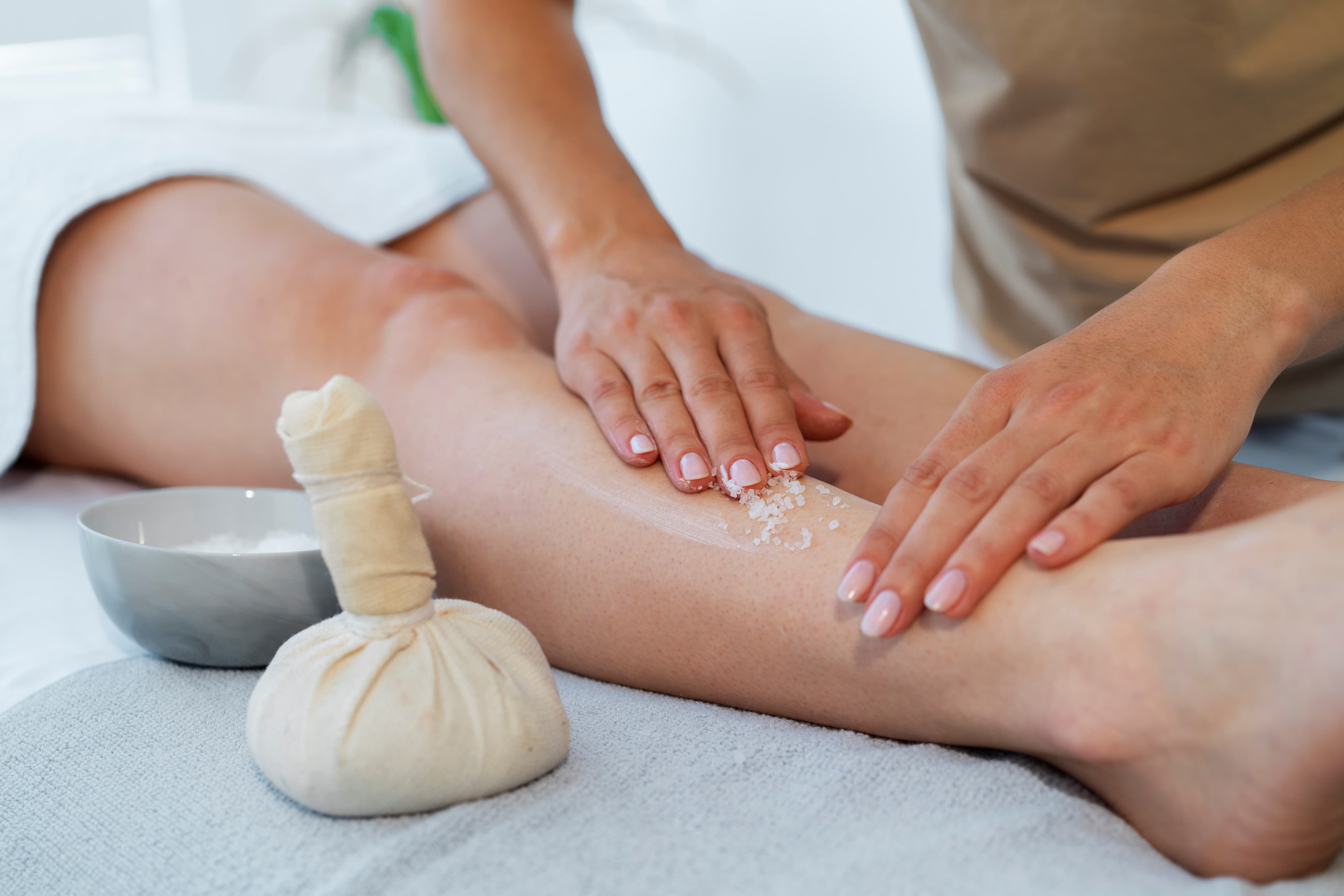
Virechana (therapeutic purgation) is the primary Shodhana for all five metabolic conditions — it purifies the liver (seat of Pitta and fat metabolism), eliminates Meda Dhatu Ama, corrects hepatic insulin signalling, and reduces atherogenic lipid oxidation. Basti karma addresses Vata-driven insulin resistance and thyroid channel blockage. Udwartana (dry herbal powder massage) directly breaks down subcutaneous Meda and stimulates lymphatic fat drainage.
- 4
Condition-Specific Rasayana
After Shodhana, target-specific Rasayanas are prescribed: Diabetes — Nishamalaki (Turmeric + Amalaki), Shilajit, Vijaysar (Pterocarpus marsupium — clinically proven beta-cell regeneration), Gurmar (Gymnema sylvestre — blocks glucose absorption at intestinal level). Thyroid — Kanchanar Guggulu, Varuna, Punarnava. Cholesterol — Guggulu-based formulations, Arjuna. Anaemia — Mandur Bhasma, Punarnava Mandur, Lauh Bhasma with Amalaki. Obesity — Medohar Guggulu, Triphala, Varanadi Kashayam.
- 5
Pathya Ahara & Viharya — Diet & Lifestyle
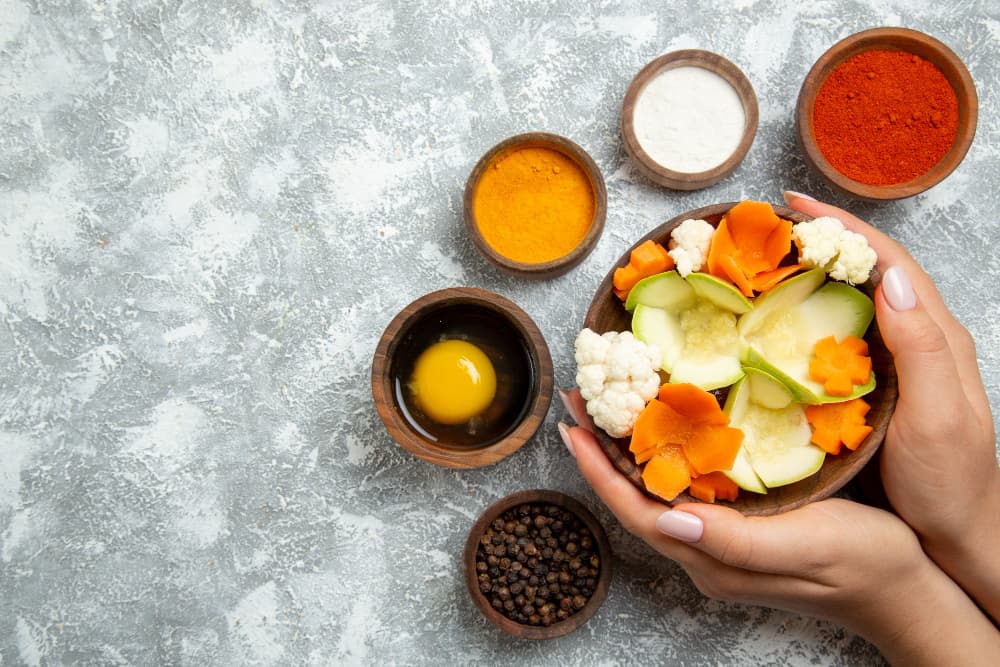
Dietary correction is non-negotiable and condition-specific: Diabetes — low-glycaemic, bitter-dominant diet (Karela, Methi, Jamun), meal timing (no eating after sunset), restricted refined carbohydrates. Cholesterol — avoid Viruddha Ahara, reduce saturated fat, increase fibre. Thyroid — iodine-adequate, goitrogen-aware diet. Anaemia — iron-rich traditional foods (Dates, Sesame, Pomegranate, Jaggery), Vitamin C with every iron-rich meal. Exercise — Yoga asanas specific to each condition (Mandukasana for diabetes, Surya Namaskar for obesity, Sarvangasana for thyroid).


Ayurvedic roots by condition
Each metabolic condition has a specific Dosha-Dhatu profile — but all share the same upstream origin in Mandagni and Meda Dushti.
Diabetes & Obesity (Kapha)
Kapha-dominant Ama in Meda and Mamsa Dhatu. Excess Kapha suppresses Agni, promotes fat deposition, insulin resistance, and pancreatic Kapha excess. Kapha-reducing diet, Udwartana, and Trikatu are foundational.
Cholesterol & Fatty Liver (Pitta)
Excess Pitta in Rakta and Meda Dhatu — the liver and blood are the seat of lipid processing. Elevated LDL and triglycerides reflect Pitta-toxicity in hepatic channels. Virechana is the primary intervention, with Guggulu-based Rasayanas.
Hypothyroidism (Vata-Kapha)
Kapha blocking the Gala (neck) Srotas, with Vata creating channel dryness and slowed metabolic signalling. Kanchanar Guggulu specifically addresses the Kapha growth and channel obstruction in the thyroid gland.
Anaemia (Rakta)
Depletion of Rakta Dhatu — root cause is Agni deficiency impairing iron absorption from the gut, or Pitta excess destroying red blood cells. Mandur Bhasma restores Rakta Dhatu far more bioavailably than ferrous sulphate — with Amalaki as the absorption enhancer.

Our Metabolic Health department
Dedicated metabolic OPD, in-house pathology lab for serial monitoring, Panchakarma facility, and dietary counselling room — all under one roof.


Real lives. Real healing. Real freedom.
“My TSH was 9.8 and I had been on levothyroxine for 3 years. Hair fall, fatigue, and 12 kg weight gain despite the medication. After 8 months of Kanchanar Guggulu, dietary changes, and a Virechana course, my TSH is 2.3. I have lost 8 kg and my endocrinologist has already reduced my thyroxine dose.”
Book Your Appointment
Ready to start your healing journey?
Schedule your appointment today,
Email - info@ishanayurved.com
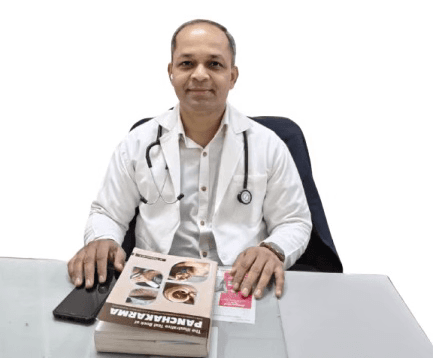
Doctors who treat metabolic & lifestyle conditions
Our specialists address the shared root of diabetes, obesity, thyroid, cholesterol and anaemia — impaired Agni and Ama accumulation — through classical Ayurveda and Panchakarma.


Related conditions we treat
Joints & Pain
Arthritis, Sciatica, Back pain
Women's Health
PCOD, Hormonal, Fertility
Detox & Rejuvenation
Panchakarma, Pre-bridal
Mind & Stress
Anxiety, Insomnia, Burnout
Seek immediate care — do not delay for these signs
These symptoms require same-day medical evaluation. Do not wait for an OPD appointment.
- Blood sugar above 400 mg/dL
- Sudden severe breathlessness with anaemia
- Chest pain with known high cholesterol
Frequently Asked Questions
Yes — HbA1c reduction is measurable and documented. In our clinical experience, patients with Type 2 diabetes who undergo a full treatment protocol (Deepana-Pachana + Virechana + targeted Rasayana + dietary compliance) achieve an average HbA1c reduction of 0.5–1.2% over 6 months. This is comparable to the effect of adding a second oral hypoglycaemic agent. Herbs like Vijaysar, Gurmar (Gymnema), and Nishamalaki have published RCT evidence for glucose lowering. We track HbA1c at baseline and every 3 months — you see the numbers change. We are never vague about outcomes. Early-stage Type 2 diabetics and pre-diabetics tend to show the most dramatic responses; long-standing insulin-dependent diabetics show improvement in secondary parameters (neuropathy, energy, wound healing) more than glucose reduction.
For Hashimoto's thyroiditis (autoimmune hypothyroidism), Ayurvedic treatment — particularly Kanchanar Guggulu, immune-modulating herbs like Guduchi and Ashwagandha, and dietary elimination of thyroid-disrupting foods — can significantly reduce Anti-TPO antibody levels and TSH over 6–9 months, allowing gradual dose reduction of levothyroxine under your endocrinologist's guidance. For primary hypothyroidism without autoimmune component, the response is more variable. We never advise stopping thyroid medication abruptly or unilaterally — thyroid hormone affects every cell in the body, and abrupt withdrawal has serious consequences. Any dose reduction is planned collaboratively with your prescribing doctor, triggered only by documented TSH improvement.
This is one of the most common and frustrating scenarios in metabolic medicine. The answer is almost always in the gut — not the iron supply. Three main reasons: (1) Gut inflammation or dysbiosis reduces intestinal iron absorption — ferrous sulphate needs an acidic environment and healthy intestinal mucosa. (2) Concurrent Vitamin C deficiency prevents non-haem iron conversion. (3) Helicobacter pylori infection (common and often undiagnosed) directly interferes with iron absorption. Ayurvedic treatment corrects all three simultaneously: Mandur Bhasma is a nano-particle iron that bypasses the absorption limitation, Amalaki provides natural Vitamin C and Pitta-corrective action to restore mucosal health, and Deepana-Pachana herbs restore the acidic intestinal environment needed for absorption. This is why patients who couldn't raise their Hb above 9 g/dL for years often reach 12–13 g/dL within 3–4 months of Ayurvedic treatment.
Classical Guggulu formulations — Kanchanar Guggulu, Medohar Guggulu, Triphala Guggulu — have an excellent safety profile when used in correct doses under physician supervision. At therapeutic doses, they do not cause hepatotoxicity or nephrotoxicity. In fact, Triphala Guggulu has hepatoprotective properties. The safety concern with Guggulu arises from: (1) overdosing (more is not better — classical doses are specific), (2) use in patients with active peptic ulcer or inflammatory bowel disease (mild irritant effect), and (3) use in pregnancy (contraindicated). We check baseline liver and kidney function at the start of treatment and monitor at 3 months for patients on long-term Guggulu. In 15+ years of clinical practice, significant hepatic or renal adverse events from classical Guggulu formulations used at prescribed doses are extremely rare.
The standard diabetic diet focuses on glycaemic index — restricting sugars and refined carbohydrates. The Ayurvedic diabetic diet (Pathya Ahara for Madhumeha) addresses three additional dimensions the standard diet misses: (1) Agni correction — warm, cooked, digestible foods over raw and cold foods, regardless of glycaemic index; (2) Kapha reduction — bitter, pungent, and astringent tastes are prioritised (Karela, Methi, Turmeric, Neem, Jamun, Amalaki) which have direct insulin-sensitising and glucose-lowering pharmacology; (3) meal timing — eating only when hungry, no eating after sunset, main meal at noon when digestive fire peaks. These elements are not captured by GI tables but are clinically significant. We provide a detailed, practical meal plan — not a generic avoid-sugar list — tailored to your Prakriti, food preferences, and local food availability.
Yes. Ishan is CGHS empanelled — government employees and pensioners can avail Ayurvedic consultations, investigations, and IPD Panchakarma for metabolic conditions under CGHS. Panchakarma IPD admissions for diabetes management and obesity are covered under policies with Ayush hospitalisation benefits. We are empanelled with 40+ insurers. OPD consultations, pathology investigations, and medicines may be covered under OPD benefit policies. Our insurance desk will verify your specific coverage before treatment begins, and handle pre-authorisation for IPD admissions — at no charge to you.