Ishan Ayurvedic Hospital

Toxicology & De-addiction

Agad Tantra

Ayurvedic toxicology and de-addiction care — detoxification from substances, management of chemical and biological toxin exposure, and classical Agada formulations that support the body's elimination and recovery at every level.

  • OPD (no IPD)
  • De-addiction OPD
  • Medhya Rasayana
  • CGHS empanelled
Book a consultation
Available Mon – Sat · 9:00 AM – 2:00 PM
Agad Tantra OPD — Ayurvedic toxicology and de-addiction consultation at Ishan Ayurvedic Hospital.
About the Department

Detoxification and recovery — the Ayurvedic way

Agad Tantra — one of the eight branches of Ayurveda — is the science of toxicology, antidotes, and the management of poisonous substances. The word "Agada" means that which removes disease and restores health — specifically from the action of toxins, whether biological (snake, insect), chemical (pesticides, heavy metals), food-based, or substance-related. At Ishan, the Agad Tantra OPD runs two distinct clinical programmes: Toxicology — for patients with occupational chemical exposure, heavy metal accumulation, pesticide toxicity, and food poisoning aftermath; and De-addiction — a structured Ayurvedic de-addiction OPD for alcohol, tobacco, cannabis, and substance dependence using classical Medhya Rasayana formulations and Panchakarma detox protocols. This is a purely outpatient department. Acute poisoning emergencies requiring hospitalisation are stabilised and referred to our 24×7 casualty. The OPD focuses on sub-acute, chronic, and recovery-phase management where Ayurveda offers its most significant clinical value. "The physician who knows the nature of poisons, their antidotes, and the methods of detoxification commands a knowledge that no other physician possesses. For poison can come from food, from creatures, from the environment, and from the mind." — Sushruta Samhita, Kalpasthana.


  • Mon–Sat

    OPD: 9 AM – 2 PM

  • Toxicology

    Classical Agada protocols

  • De-addiction

    Substance & behavioural OPD

  • 24×7

    Emergency / Casualty

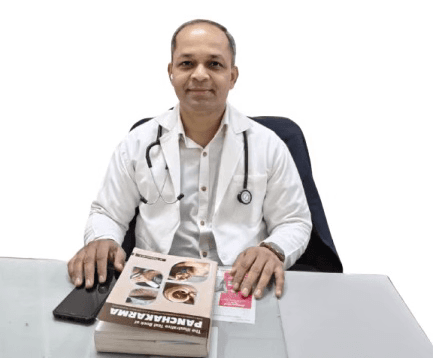
Agad Tantra physician reviewing liver function tests and toxin exposure history during a de-addiction consultation.
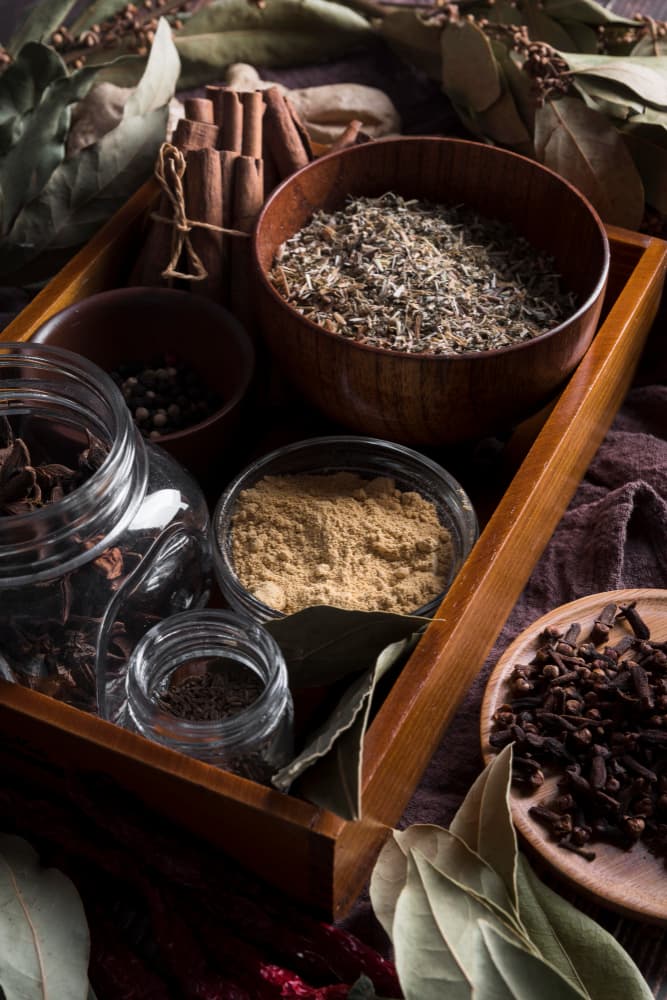
Classical Medhya Rasayana herbs — Brahmi, Shankhapushpi, Ashwagandha — used for post-addiction neurological recovery.
Conditions treated

What we treat in Agad Tantra

Two clinical programmes — Toxicology and De-addiction — covering the full spectrum of toxic exposure, substance dependence, and recovery support.

Most commonly treated
  • Alcohol De-addictionSura Vyasana
  • Tobacco & SmokingDhuma Vyasana
  • Pesticide / Heavy MetalKrtrima Visha
  • Snake & Insect BiteSarpa / Keeta Visha
  • Post-addiction RecoveryMedhya Rasayana
  • Alcohol De-addiction

    • Alcohol dependence — active & recovery
    • Alcohol withdrawal — supportive management
    • Alcohol-related liver damage (Yakrit Vikara)
    • Wernicke's encephalopathy — supportive
    • Post-withdrawal anxiety & insomnia
    • Long-term sobriety maintenance
  • Tobacco & Smoking

    • Smoking — Dhuma Vyasana
    • Gutkha & tobacco chewing (Khaini)
    • Nicotine dependence
    • Tobacco-related oral disorders
    • Post-cessation weight management
    • Lung recovery after smoking
  • Cannabis & Substance

    • Cannabis dependence (Vijaya Vyasana)
    • Substance use disorder — sub-acute
    • Poly-substance dependence — supportive
    • Prescription drug dependency
    • Cognitive recovery post-substance use
    • Behavioural addiction — supportive
  • Pesticide & Chemical Toxicity

    • Organophosphate pesticide exposure
    • Heavy metal accumulation (lead, mercury, arsenic)
    • Chronic industrial chemical exposure
    • Fumigation & solvent toxicity
    • Agricultural worker liver & nerve damage
    • Post-exposure recovery protocols
  • Biological Toxins

    • Snake bite — supportive care (post-hospital)
    • Insect & scorpion sting — supportive
    • Bee & wasp sting reactions
    • Toxic plant ingestion — supportive
    • Food poisoning aftermath & recovery
    • Algal & fungal toxin exposure
  • Liver & Organ Recovery

    • Toxic hepatitis — supportive
    • Drug-induced liver injury (DILI) recovery
    • Fatty liver from alcohol
    • Kidney damage from toxin exposure
    • Nerve damage from chemical exposure
    • Haematological recovery post-toxicity
  • Mental & Neurological

    • Depression & anxiety in addiction
    • Insomnia — substance withdrawal
    • Cognitive impairment — post-substance
    • Psychosis — recovery phase supportive
    • Emotional regulation counselling
    • Family support counselling
  • Medhya Rasayana

    • Brahmi (Bacopa) — cognitive recovery
    • Shankhapushpi — nerve repair
    • Ashwagandha — stress & withdrawal support
    • Guduchi — liver detox & immunity
    • Mandukaparni — neurological recovery
    • Jyotishmati — memory restoration
How we treat

How Agad Tantra works — explained simply

Conventional de-addiction programmes focus primarily on managing withdrawal and preventing relapse through behavioural counselling. What they often don't address is the physical damage that years of substance use leaves behind — in the liver, the nervous system, the gut, and the brain. Ayurveda has a specific answer for each of these. Agad Tantra uses classical Agada formulations, Medhya Rasayana (brain-nourishing herbs), Panchakarma detoxification, and dietary protocols to repair the physical damage of addiction alongside managing the psychological and behavioural aspects. The result is not just abstinence — it is a body and mind genuinely restored to health. "The craving that drives addiction is not weakness of will — it is a physical state created by a depleted nervous system and disrupted Agni. Restore the nervous system. Restore the digestion. The craving dissolves. That is what Medhya Rasayana and Panchakarma achieve together — and what willpower alone cannot."

  • We assess the full picture — toxin, organ, and mind

    Every Agad Tantra patient receives a thorough clinical assessment — toxin type and duration of exposure, organ systems affected (liver, kidneys, nervous system), current symptoms, and the psychological and social context of their addiction or exposure. Blood tests and liver function are reviewed as part of the first consultation. Two patients seeking alcohol de-addiction may need completely different Panchakarma protocols depending on whether their primary damage is hepatic, neurological, or both.

  • Panchakarma detox — clearing the accumulated toxin load

    Virechana (therapeutic purgation) for liver-predominant toxicity, Basti (medicated enemas) for neurological and gut damage, Nasya for substances affecting the head and nervous system — each Panchakarma procedure is matched to the specific organ and toxin pattern. This physically removes the accumulated toxin load that drives ongoing craving and organ damage. Patients undergoing Panchakarma detox during de-addiction typically report a significant reduction in craving intensity within the first week — because the physical substrate of the craving is being removed.

  • Medhya Rasayana — rebuilding the brain and nerves

    Brahmi, Shankhapushpi, Ashwagandha, Guduchi, Mandukaparni — the classical Medhya Rasayana herbs nourish and repair the nervous system, restore cognitive function, reduce anxiety and insomnia, and support the liver's detoxification pathways. These are prescribed as a course after Panchakarma and continued for 3–6 months. Brahmi (Bacopa monnieri) has over 60 published studies demonstrating improvement in memory, anxiety reduction, and neuroprotective effects — exactly the properties needed in post-addiction recovery.

  • Long-term sobriety support — not just abstinence

    The goal of Agad Tantra de-addiction is not just stopping the substance — it is rebuilding the quality of life that makes staying sober feel genuinely worthwhile. Dietary protocols to restore gut and liver health, yoga and Pranayama for stress management, Dinacharya to build structure, and Rasayana to sustain energy and mood — these form the long-term maintenance protocol. Patients who complete the full protocol — Panchakarma, Medhya Rasayana, and Dinacharya — report better energy, clearer thinking, and significantly less craving intensity 6 months after completing treatment.

The tools we use

Six tools in Agad Tantra — all working together

Agad Tantra at Ishan combines six clinical tools — Medhya Rasayana, Panchakarma detoxification, classical Agada formulations, liver and organ recovery diet, modern monitoring, and yoga with Pranayama and Dinacharya — each chosen and sequenced by your physician.

  • Medhya Rasayana

    The cornerstone of Agad Tantra pharmacology — Brahmi, Shankhapushpi, Ashwagandha, Jyotishmati, Mandukaparni — classical nootropic and neuroprotective herbs that repair cognitive damage, reduce anxiety and withdrawal symptoms, and restore neurological function after substance use. Brahmi (Bacopa) has 60+ clinical studies showing memory improvement and anxiety reduction. Ashwagandha reduces cortisol and withdrawal-linked stress. These are evidence-based tools, not folklore.

    • Brahmi
    • Ashwagandha
    • Evidence-based
  • Panchakarma detoxification

    Virechana (purgation) for hepatic toxin clearance, Basti (medicated enemas) for nervous system and gut rehabilitation, Nasya for cranial detox and substance-related neurological effects, Abhyanga and Swedana for mobilising tissue-stored toxins. Each protocol is matched to the specific toxin and organ system involved. Patients undergoing Panchakarma during de-addiction consistently report reduced craving intensity and improved sleep quality within the first week — the physical substrate of addiction is being removed.

    • Virechana
    • Basti
    • Nasya
  • Classical Agada formulations

    Classical Ayurvedic antidote and detoxifying formulations — Shirisha (for biological venoms), Sarpagandha, Sarpagandhadi Vati, Triphala for gut detox, Punarnava for kidney support — targeted at the specific toxin and organ system affected. Shirisha (Albizia lebbeck) contains specific alkaloids that neutralise venom proteins — its anti-venom activity has been validated in modern pharmacological studies confirming millennia of classical use.

    • Shirisha
    • Sarpagandhadi Vati
    • Triphala
  • Liver & organ recovery diet

    Specific hepatoprotective dietary protocols — what to eat and what to strictly avoid during liver recovery from alcohol or chemical toxicity. Khichdi-based refeeding during Panchakarma, graduated return to normal diet, and long-term liver-supportive eating patterns that prevent recurrence of damage. Patients with alcohol-related liver damage who follow the Ayurvedic dietary protocol show normalisation of liver enzymes (SGOT, SGPT) over 3–6 months — often faster than with standard medical management alone.

    • Hepatoprotective
    • Khichdi refeeding
    • Phase-specific
  • Monitoring — liver, kidney, nerve function

    LFT (liver function tests), KFT (kidney function), complete blood count, and nerve conduction studies are used to track organ recovery throughout treatment. We do not proceed on clinical impression alone — the numbers tell the story of organ restoration. Seeing your liver enzyme values normalise, your haemoglobin rise, and your cognitive test scores improve is the most powerful motivator for sustained recovery. We track these at every follow-up.

    • LFT
    • KFT
    • Nerve conduction
  • Yoga, Pranayama & Dinacharya

    Specific Pranayama sequences (Anulom Vilom, Bhramari, Kapalabhati) for craving management and stress regulation. Dinacharya — a structured daily routine — to replace the habitual patterns that addiction occupied. Yoga Nidra for sleep restoration. These are the tools that make long-term sobriety feel natural. Patients who establish a regular Pranayama and Dinacharya practice report significantly lower relapse rates — because they have rebuilt the daily structure and stress management capacity that substance use had previously provided.

    • Pranayama
    • Yoga Nidra
    • Dinacharya
Department facilities

What's available for you here

Agad Tantra at Ishan is a purely outpatient department — with access to the full clinical and Panchakarma infrastructure of the hospital.

Agad Tantra OPD with adjoining Panchakarma wing and in-house pharmacy at Ishan Ayurvedic Hospital.
  • Agad Tantra OPD

    Daily OPD — toxicology consultations, de-addiction intake assessments, Panchakarma prescriptions, Medhya Rasayana follow-ups, and relapse support. Confidential consultations. Mon–Sat, 9 AM – 2 PM.

  • Panchakarma Wing

    Full Panchakarma procedures available for Agad Tantra patients — Virechana, Basti, Nasya, Abhyanga, Swedana — prescribed and supervised by the Agad Tantra physician.

  • Pathology & Diagnostics

    On-campus pathology for LFT, KFT, CBC, blood toxicology panels, and drug screening. Monitoring at each follow-up to track organ recovery objectively. Same-day reports.

  • In-house Pharmacy

    Classical Agada and Medhya Rasayana formulations — Brahmi Ghrita, Ashwagandha preparations, Sarpagandhadi Vati, Triphala Churna — dispensed from the hospital pharmacy. Quality controlled.

  • Yoga & Pranayama Sessions

    Condition-specific yoga and Pranayama sessions for de-addiction patients — craving management, stress regulation, sleep restoration, and daily routine building.

  • Emergency & Casualty (24×7)

    24×7 casualty for acute poisoning, snake bite, or severe withdrawal emergencies. Agad Tantra OPD handles sub-acute and recovery-phase cases — acute emergencies are referred immediately. Helpline: 8448797705.

What our patients say

Alcohol — 14 months sober
I drank daily for 12 years. Every previous attempt failed. After Panchakarma and the Medhya Rasayana course at Ishan, the craving simply reduced — it wasn't willpower this time, my body felt different. I am 14 months sober.
RK
Rajesh KumarAge 44 · Ghaziabad
Gutkha — 8 months free
I had a gutkha habit of 9 years and had tried to quit at least 6 times. The combination of Khadiradi Vati, Pranayama, and the dietary protocol at Ishan reduced my withdrawal symptoms dramatically. I have been free for 8 months.
MS
Mahesh SharmaAge 38 · Noida

Book Your Appointment

Ready to start your healing journey?
Schedule your appointment today,

🇮🇳 +91

Email  - info@ishanayurved.com

Doctors in Vish Chikitsa

Our physicians combine classical Ayurvedic training with modern clinical insight to deliver integrated, evidence-informed care.

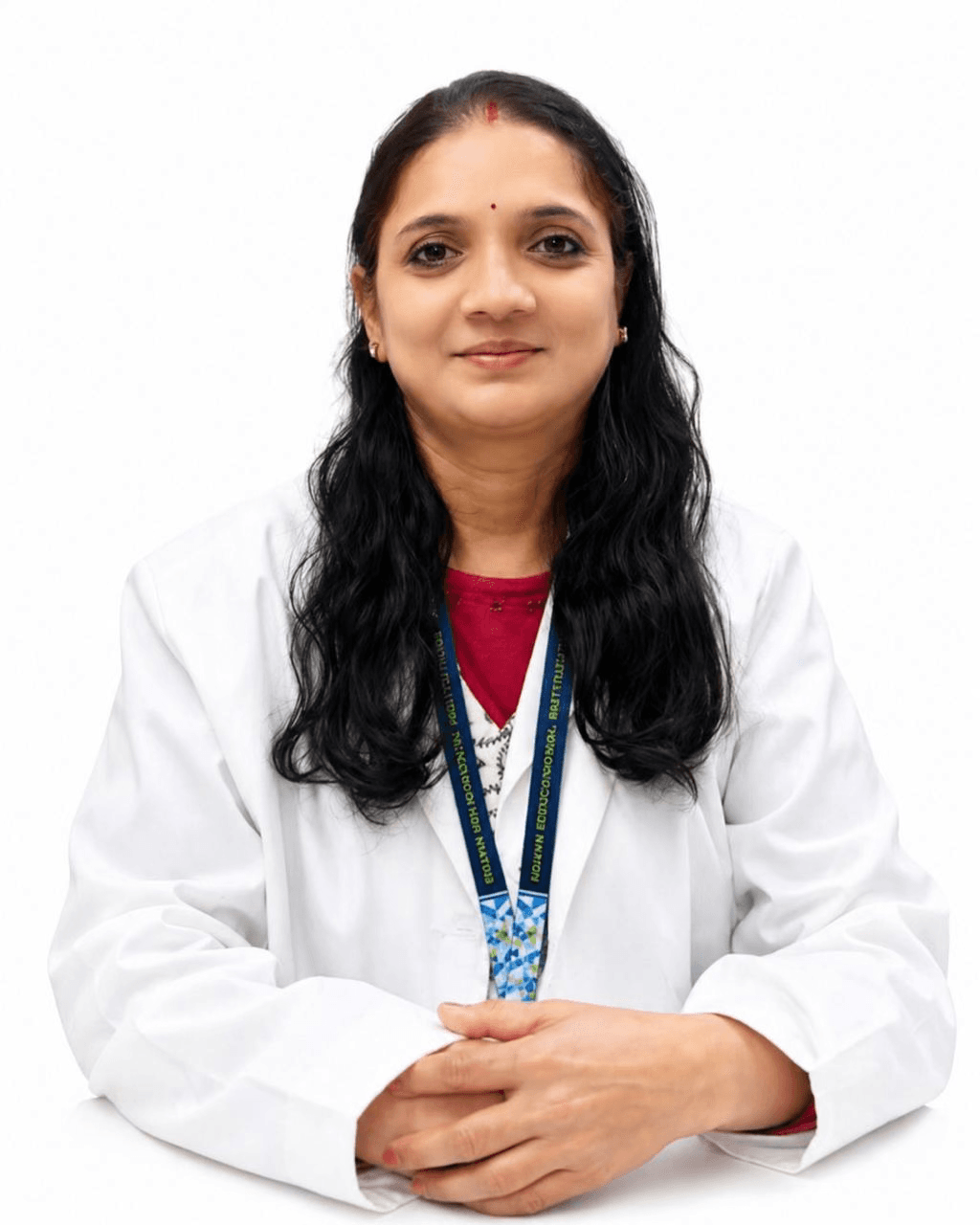
Dr. Vaishali Tomar

Dr. Vaishali Tomar

Medical Consultant - Panchakarma

BAMS, MD (Ayu.)

Hypertension • Diabetes Mellitus

18 years experience

Mon-Sat | 9:00 AM - 4:00 PM

Dr. Satyadev Arya

Dr. Satyadev Arya

Medical Consultant - Panchakarma

BAMS, MD (Ayu.)

Ayurvedic Vitality • Immunity & Wellness Therapies (Rasayan Panchkarma)

8 years experience

Mon-Sat | 9:00 AM - 4:00 PM

Dr. Jyoti

Dr. Jyoti

Medical Consultant - General Medicine (Kayachikitsa)

BAMS, MD (Ayu.)

Ayurvedic Ophthalmic Therapeutic Procedures • Eye disorder management (Kriyakalpa Chikitsa)

9 years experience

Mon-Sat | 9:00 AM - 4:00 PM

Seek medical attention if you experience any of the following

Seek immediate emergency care if you experience any of these signs:

  • Snake bite — go to emergency immediately
  • Acute pesticide ingestion or splash
  • Severe alcohol withdrawal — seizures or confusion
Call 8448797705

Frequently Asked Questions

  • Yes — with an important distinction. Ayurveda does not replace acute withdrawal management, which must be done under medical supervision. What Ayurveda adds is the physical repair that conventional de-addiction programmes lack: restoring the liver, nervous system, gut, and neurochemistry that substance use has damaged. Medhya Rasayana herbs reduce craving intensity and anxiety, Panchakarma clears the tissue-stored toxin load, and Dinacharya replaces the habitual structure that addiction occupied. Together, they produce lasting sobriety rather than white-knuckle abstinence.

  • No — patients can begin the OPD consultation while still using the substance. The first consultation assesses readiness, identifies the physical damage already done, and creates a staged plan. Panchakarma and Medhya Rasayana can begin while tapering, and the combination often makes tapering significantly easier by reducing physical craving.

  • The initial Panchakarma detox course is typically 7–14 days. Medhya Rasayana is prescribed for 3–6 months. Follow-up OPD visits are monthly for the first 6 months, then quarterly. Patients typically notice reduced craving intensity within the first 2–3 weeks of Panchakarma. Significant neurological and liver recovery takes 3–6 months of consistent treatment.

  • Yes — completely. De-addiction consultations at Ishan are conducted with full confidentiality. No information is shared with family members without the patient's consent. The OPD environment is private, and records are maintained with the same confidentiality as any other medical consultation. Many patients attend without informing family, and that is their right.

  • Yes — particularly for sub-acute and chronic exposure where the patient has been treated for the acute phase and is in recovery. Ayurvedic hepatoprotective formulations (Kutki, Bhumi Amla, Punarnava), chelation-supporting herbs, and Panchakarma protocols are used to support liver and kidney recovery and accelerate clearance of stored toxins from tissues.

  • Yes. Ishan Ayurvedic Hospital is CGHS empanelled and works with 40+ insurance companies. OPD and Panchakarma procedures are covered under relevant schemes. Contact reception at 9818180933 for specific queries.