“I had FESS surgery twice for chronic sinusitis. It returned both times. After 14 sessions of Nasya with Shadbindu Taila and a Virechana course at Ishan, I have been completely symptom-free for 14 months. No nasal spray. No antibiotics. The first time in over a decade that I can reliably breathe through my nose throughout the day.”

ENT
Breathe fully. Hear clearly. Speak with ease.
Chronic sinusitis, tinnitus, allergic rhinitis, and voice disorders are conditions modern ENT manages for years with decongestants, antihistamines, and nasal sprays — none of which correct the underlying Kapha-Vata imbalance. Nasya karma delivers medicine directly to the sinus cavities, cranial nerves, and olfactory bulb — reaching structures no systemic drug can target as precisely.
- 7+ ENT Conditions Treated
- Dedicated Nasya Karma Centre
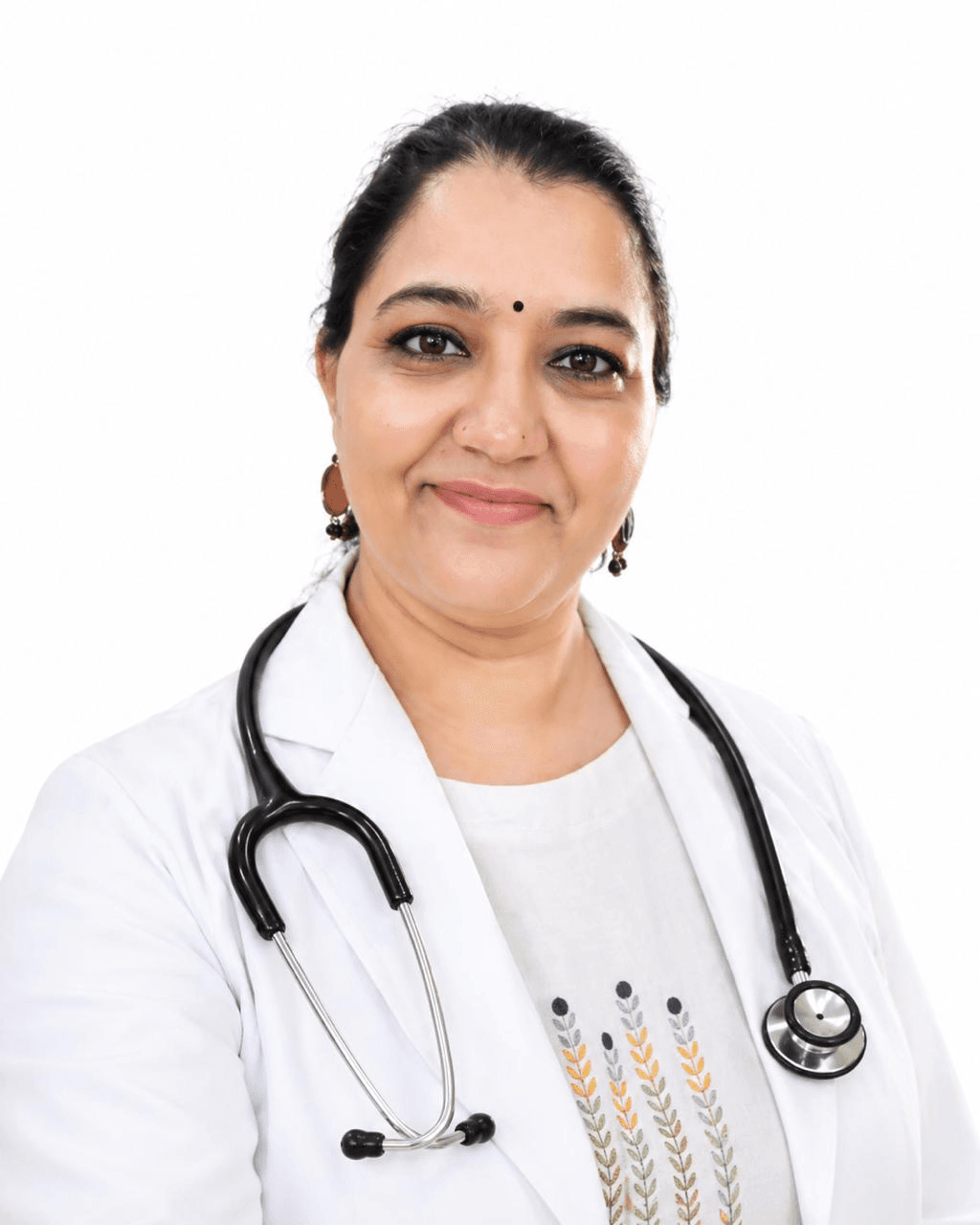
- Led by Dr. Anjali Dabas

“The nose is the gateway to the head. Any medicine administered through the nose reaches the brain — distributed by Prana Vata through the cranial channels to every sense organ and every cognitive function. Nasya is therefore the supreme treatment for all diseases above the clavicle.”— Charaka Samhita, Siddhi Sthana 9.89 — the classical rationale for Nasya karma's wide clinical application
A dedicated ENT & Nasya karma centre at Ishan
Nasya karma — medicated nasal administration — is Ayurveda's most versatile and clinically powerful ENT procedure. Its reach extends far beyond the nose and sinuses: by travelling through the cribriform plate and olfactory nerves into the limbic system, basal ganglia, and cerebral circulation, Nasya also treats migraine, facial palsy, memory disorders, insomnia, and cervicogenic headache — conditions conventional ENT does not address at all. At Ishan, our ENT department is led by Dr. Anjali Dabas, an MD in Shalakya Tantra with a dedicated Nasya procedure room equipped for Pratimarsha, Marsha, and Pradhamana Nasya.
- 7+ENT CONDITIONS TREATED
- Dr. AnjaliDABAS — ENT SPECIALIST
- NasyaSPECIALIST PROCEDURE CENTRE

ENT conditions we care for
Seven ENT conditions where Ayurvedic Nasya, Karnapurana, Kavala, and internal medicines produce sustained improvement — going beyond the symptom relief that nasal sprays and antihistamines offer.
Sinusitis — Chronic & Recurrent (Pinas / Dushta Pratishyaya)
Chronic rhinosinusitis — mucosal inflammation of the paranasal sinuses persisting beyond 12 weeks — affects over 134 million Indians. Classified as Dushta Pratishyaya (corrupted catarrh) in Ayurveda. Nasya karma with Shadbindu Taila delivers medicine directly to the sinus cavities for 14 consecutive days — achieving structural clearance that no systemic antibiotic can match.
Nasal congestionFacial painTinnitus — Chronic (Karnanada / Swarabheda)
Phantom ringing, buzzing, whistling, or roaring sounds in the ears — affecting 15% of the adult population in India. Karnapurana + Nasya + Basti karma produces measured tinnitus intensity and frequency reduction in published clinical trials — particularly for the most common Vata-type tinnitus.
Constant ringingSleep disturbanceAllergic Rhinitis (Vataja Pratishyaya)
Perennial or seasonal nasal allergy — sneezing, watery discharge, nasal itch, and congestion driven by aeroallergen hypersensitivity. Ayurveda desensitises the mucosal immune hyperreactivity over 3–6 months rather than suppressing it daily — Haridra Khanda, Sitopaladi, and Pratimarsha Nasya produce enduring allergy reduction.
Sneezing fitsWatery dischargeAdenoid Hypertrophy & Nasal Polyps
Enlarged adenoids causing mouth breathing, snoring, and recurrent otitis media in children; nasal polyps causing bilateral obstruction in adults. Ayurvedic treatment with systematic Nasya, Pratimarsha Nasya daily, Kapha-reducing internal medicines, and dietary modification reduces adenoid and polyp size over 3–4 months.
Mouth breathingSnoringThroat Disorders & Voice (Swarabheda)
Chronic pharyngitis, laryngitis, hoarseness, vocal nodules, and recurrent tonsillitis — all governed by Udana Vata and Bodhaka Kapha. Yashtimadhu preparations, Dhumapana with Vasadi herbs, Kavala Graha with Irimedadi Taila, and Pratisarana to the pharyngeal mucosa produce dramatic results for chronic hoarseness within 2–4 weeks.
HoarsenessVoice fatigueHearing Loss & Ear Disorders (Badhirya / Karnashoola)
Age-related hearing loss (presbycusis), Eustachian tube dysfunction, otitis media with effusion (glue ear), and earache (Karnashoola). Karnapurana with warm Bilwa or Sesame oil is the definitive Ayurvedic procedure — directly pacifying Vata in the auditory canal and improving middle ear ventilation.
Declining hearingEar fullnessAnosmia & Olfactory Disorders (Ghrana Nasa)
Loss of smell — whether from COVID-19, chronic sinusitis, head injury, or viral upper respiratory infection. Nasya karma with Brahmi Ghrita and Anu Taila directly stimulates the olfactory neuroepithelium and olfactory bulb via the cribriform plate pathway — most post-COVID anosmia patients see significant olfactory return within 4–8 weeks.
Loss of smellPost-COVID
How Ayurveda treats ENT conditions
The therapeutic logic of Nasya karma is both anatomically precise and clinically elegant. The nose is the only direct access route to the cranial cavity — the olfactory nerve fibres pass through the cribriform plate of the ethmoid bone and connect directly to the olfactory bulb, limbic system, and prefrontal cortex. Medicine administered through the nose reaches the brain without first passing through the digestive system or blood.
- 1
ENT Assessment — Dr. Anjali Dabas
Anterior rhinoscopy (nasal mucosal assessment, septal deviation, polyp screening), otoscopy (tympanic membrane, middle ear fluid, external canal), indirect laryngoscopy (vocal cord assessment for voice disorders), and Dosha assessment. Oil selection based on condition and Dosha — Shadbindu Taila (sinusitis), Anu Taila (allergic rhinitis), Ksheerabala (Vata tinnitus), Brahmi Ghrita (anosmia, cognitive).
- 2
Purvakarma — Facial Steam & Massage
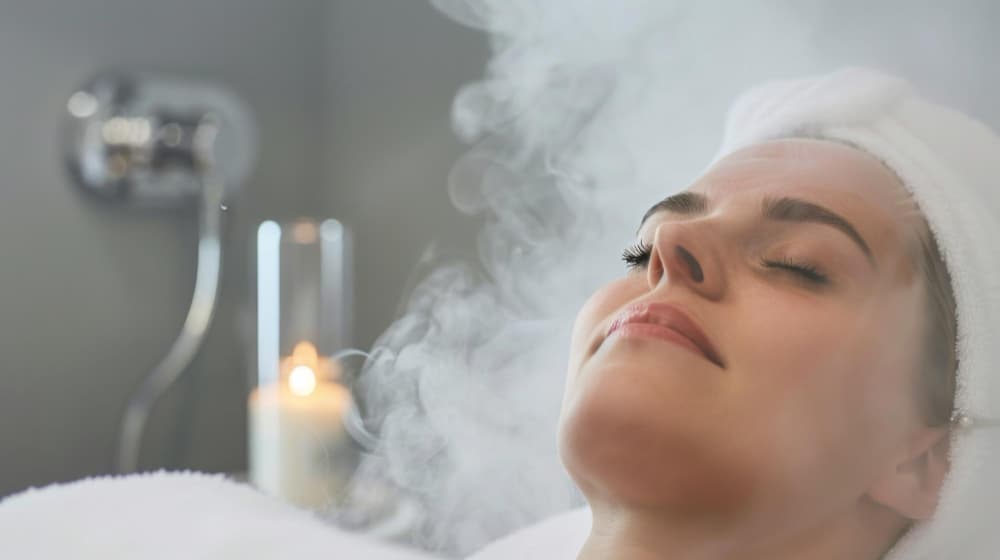
Bashpa Sweda (medicated facial steam with Dashamoola, Nirgundi, Ajwain, Eucalyptus) for 10 minutes before Nasya — opens sinus ostia, liquefies tenacious mucus, and prepares the nasal mucosa for oil penetration. Facial Abhyanga with mild oil for 5 minutes.
- 3
Nasya Karma
Patient supine on the Nasya table, head tilted back 45 degrees. 4–7 drops of lukewarm medicated oil instilled into each nostril via dropper — the patient inhales gently through the nose. Oil retained for 1–2 minutes. Followed by light facial steam. 7 consecutive days (Saptakarma) minimum; 14 days for chronic conditions.
- 4
Karnapurana (for ear conditions)
Warm Bilwa Taila, Nirgundi Taila, or sesame oil poured into the ear canal (patient lateral, treated ear up) and retained for 15–20 minutes. Performed daily for tinnitus, Eustachian tube dysfunction, and hearing loss. Often produces noticeable tinnitus reduction within 2–3 sessions for Vata-type tinnitus.
- 5
Pratimarsha Nasya — Daily Home Practice
2 drops of Anu Taila in each nostril every morning after nose cleaning — taught at the first consultation as a lifelong Dinacharya practice. This is the single most powerful preventive practice for all chronic sinus, allergy, and upper respiratory conditions. Takes 2 minutes daily and is safe from age 5 onwards.


ENT conditions by Dosha
Each ENT condition — and each patient's version of that condition — has a specific Dosha profile. Treatment targets the specific Dosha, not the organ.
Bodhaka Kapha — Sinus & Throat
Thick mucus, chronic sinusitis, nasal polyps, tonsillar hypertrophy, Kapha-type hoarseness (heavy, wet voice). Primary oil: Shadbindu Taila (pungent-penetrating for Kapha sinus). Kapha-reducing internal medicines (Trikatu, Sitopaladi, Kanchanar Guggulu).
Prana Vata — Tinnitus & Ear
Vata-type tinnitus (high-pitched, constant), dry nasal congestion, anosmia, age-related hearing loss, ear fullness. Primary oil: Ksheerabala Taila or Bilwa Taila (Vata-pacifying, nourishing). Basti karma is the systemic Vata correction.
Pitta — Ear Infections & Voice
Bacterial sinusitis with yellow/green discharge, Pitta-type tinnitus (associated with ear infections), burning throat, inflammatory hoarseness. Primary oil: Chandanadi Taila (cooling, anti-inflammatory). Virechana for persistent Pitta-driven ENT inflammation.
Udana Vata — Voice & Speech
Governs all upward movement including voice production, speech, and the breath-to-sound conversion in the larynx. Disruption causes hoarseness, vocal fatigue, and stutter onset. Saraswatarishta, Yashtimadhu, and Nasya with Brahmi Ghrita address Udana Vata specifically.

Our ENT & Nasya centre
A dedicated Shalakya Tantra procedure room for Nasya karma, Karnapurana, and Dhumapana — alongside ENT examination equipment (rhinoscope, otoscope, laryngoscope) for clinical assessment.


Real lives. Real healing. Real freedom.
“I had a constant ringing in my right ear for 3 years. Multiple ENT specialists said there was nothing that could be done. After 3 weeks of Karnapurana and Nasya, the ringing dropped by more than half. By week 6, it was barely perceptible. I could sleep without it for the first time in 3 years. I continue monthly sessions to maintain it.”
Book Your Appointment
Ready to start your healing journey?
Schedule your appointment today,
Email - info@ishanayurved.com
Doctors who treat ENT conditions
Our Shalakya Tantra ENT specialists address sinusitis, tinnitus, allergic rhinitis and voice disorders through Nasya karma and root-cause Ayurvedic protocols.


Related conditions we treat
Eye Disorders
Dry eye, Glaucoma, Retinopathy
Mind & Stress
Anxiety, Migraine, Insomnia
Children's Health
Speech delay, Adenoids
Detox & Rejuvenation
Panchakarma — Nasya included
ENT emergencies — seek immediate hospital care
These symptoms require same-day emergency evaluation. Do not wait for an OPD appointment.
- Sudden complete hearing loss in one ear
- Severe throat swelling with difficulty swallowing
- Blood or pus draining from ear canal
Frequently Asked Questions
Post-FESS recurrence is one of the most common referral scenarios to our ENT clinic. FESS removes the structural obstruction (polyps, deviated septum, diseased mucosa) — it does not change the immune hyperreactivity and Kapha excess that produced the polyps or chronic inflammation in the first place. This is why 30–40% of FESS patients experience recurrence within 3–5 years. Nasya after FESS is actually more effective than pre-FESS: the enlarged sinus ostia created by surgery allow the Nasya oil to penetrate deeper into the sinus cavities. The 14-session Shadbindu Taila course followed by Virechana (to address the systemic Kapha-Pitta imbalance) and daily Pratimarsha Nasya for prevention is the standard post-FESS Ayurvedic protocol. Most patients achieve 1–3 years of recurrence-free periods with this approach.
Pratimarsha Nasya (2 drops of Anu Taila daily) can and should be done at home as a preventive and maintenance practice — Anu Taila is available from quality Ayurvedic pharmacies and we provide it from our in-house pharmacy at first consultation. The clinical Marsha Nasya dose (4–7 drops, 7–14 consecutive days, preceded by facial steam) should be performed in a clinical setting, especially for the first course. The reason is not that the oil is dangerous at home — it is that the technique is critical: incorrect head position, oil temperature, and post-procedure management reduce efficacy significantly. Once trained, patients with chronic sinusitis can perform their own Nasya home maintenance courses under physician guidance. We train interested patients in the correct technique during their clinical course.
Post-COVID anosmia is one of the most promising areas of Ayurvedic ENT treatment — precisely because conventional medicine has no established treatment. The mechanism of post-COVID anosmia is inflammation and damage to olfactory support cells (sustentacular cells) in the olfactory epithelium, with secondary olfactory neuron axon damage. Olfactory neurons can regenerate — they are among the few neurons in the nervous system with ongoing neurogenesis. Nasya with Brahmi Ghrita and Anu Taila delivers neuroprotective, anti-inflammatory, and neuroplasticity-promoting compounds (Bacopa glycosides, Ashwagandha withanolides via ghee penetration) directly to the olfactory epithelium via the nasal route — the closest possible delivery to the site of damage. Combined with Shirodhara (cortisol reduction — stress impairs olfactory regeneration) and systemic Vata-nourishing Rasayana, most post-COVID anosmia patients see measurable smell return within 4–8 weeks, with continued improvement over 3–6 months.
For many children: yes. Adenoid hypertrophy causing mouth breathing, snoring, and recurrent ear infections is a Kapha-dominant condition — Kapha accumulation in the lymphoid tissue of the nasopharynx. Adenoidectomy removes the enlarged tissue; Ayurveda reduces the Kapha accumulation and immune hyperreactivity that caused the enlargement. Our protocol: Nasya with Karpasasthyadi Taila or Vacha Taila (2–4 drops, age-appropriate) daily for 3 months, Pratimarsha Nasya maintained beyond, Kapha-reducing internal medicines (Sitopaladi, Trikatu in child-safe doses, Haridra Khanda), and dietary management (reduced dairy and cold foods — the primary Kapha-promoting dietary factors for children). Over 3–4 months, adenoid size typically reduces sufficiently to relieve mouth breathing and snoring in children who have not yet developed secondary structural complications. Children with recurrent otitis media complicated by hearing loss — beyond watchful waiting — should still be evaluated by a paediatric ENT surgeon alongside Ayurvedic treatment.
Yes. CGHS empanelment covers Ayurvedic OPD consultations and investigations. Nasya karma as an IPD admitted patient (combined with a general Panchakarma programme) is covered under CGHS Ayurvedic hospitalisation. For standalone OPD Nasya courses: coverage depends on the specific CGHS or insurance policy's OPD procedure benefit. Our insurance desk will verify your exact coverage before any procedure is planned. Many patients find it cost-effective to schedule their Nasya course as part of a short IPD Panchakarma admission rather than as OPD visits, as this typically offers better insurance coverage and ensures proper physician supervision throughout.