
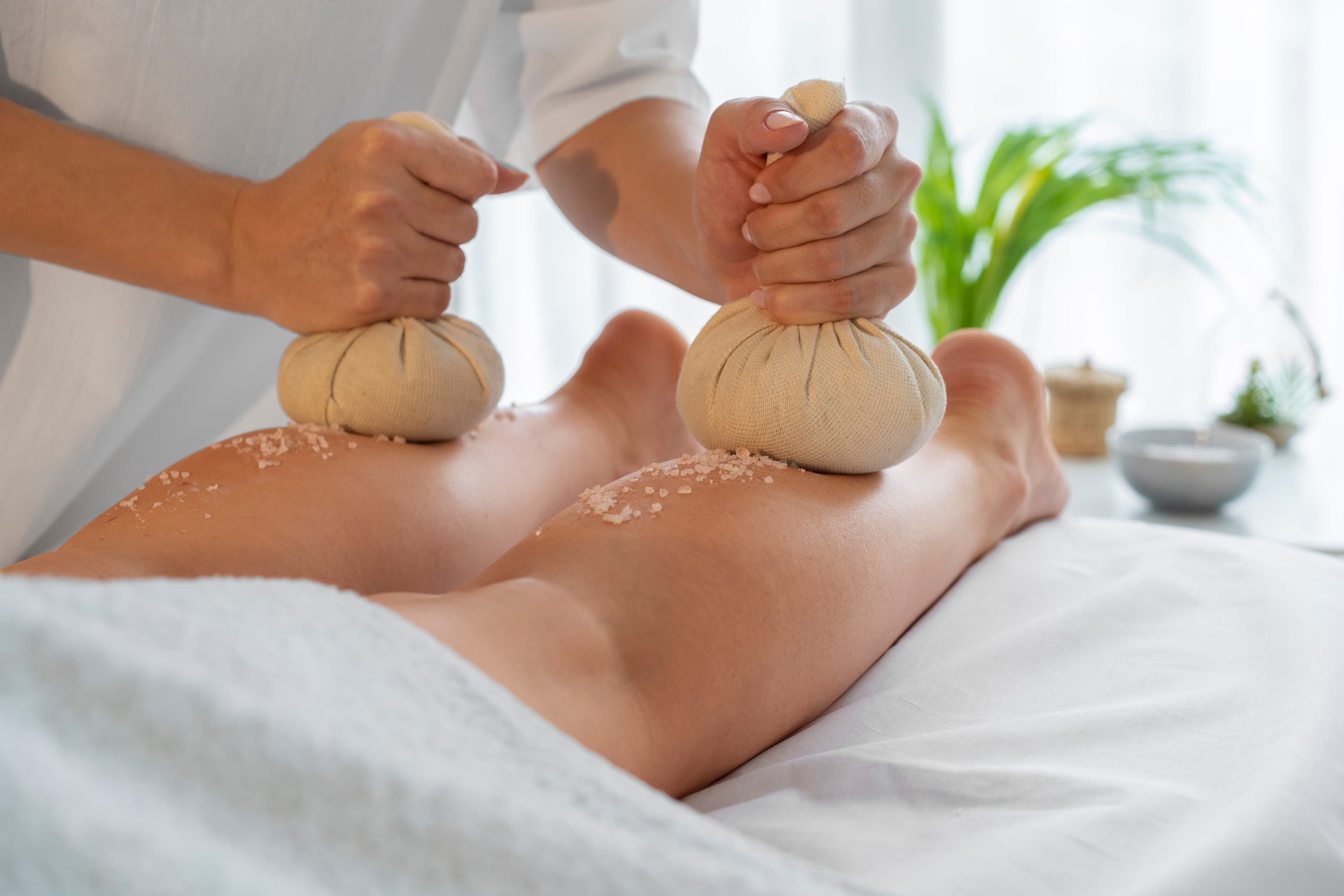
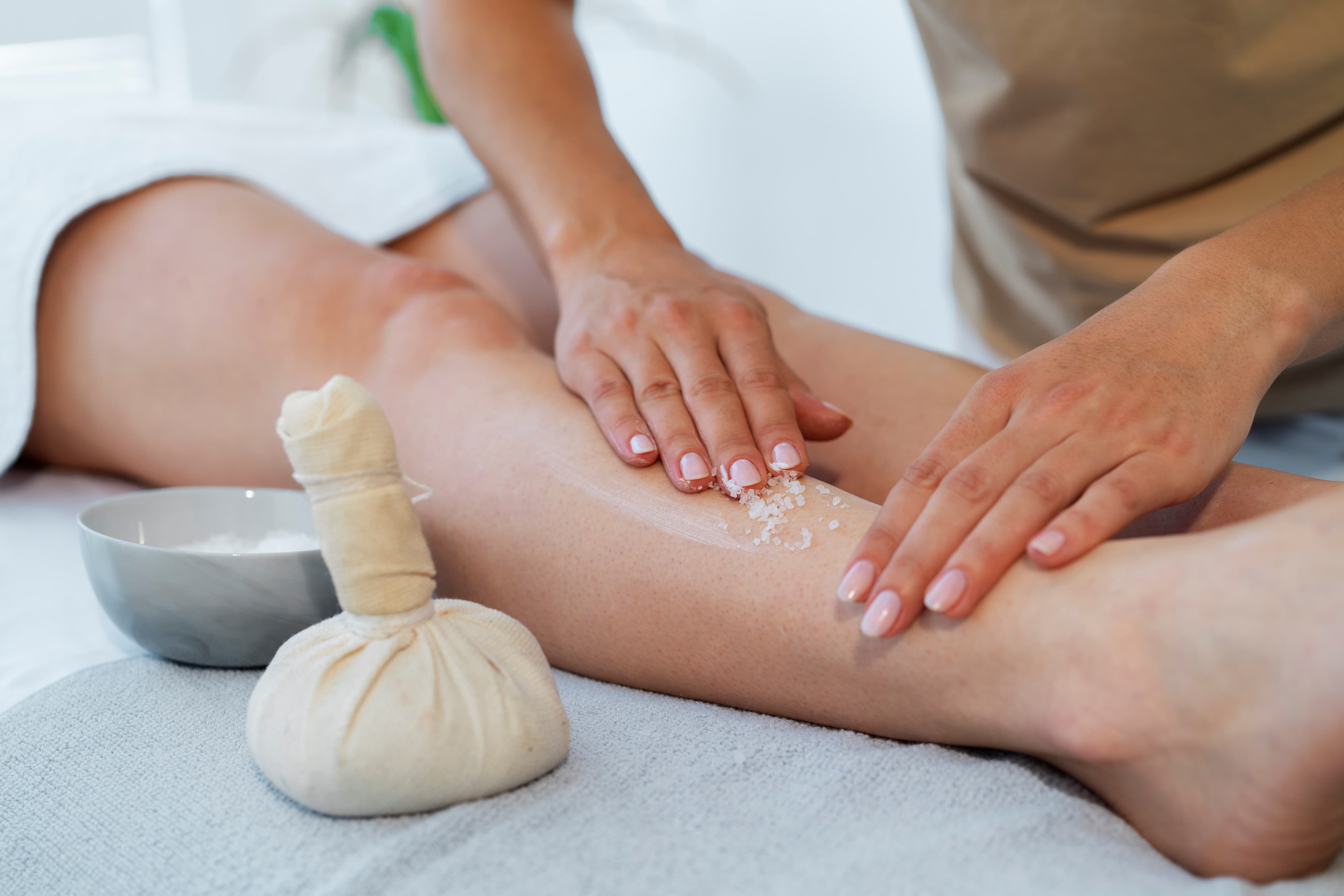
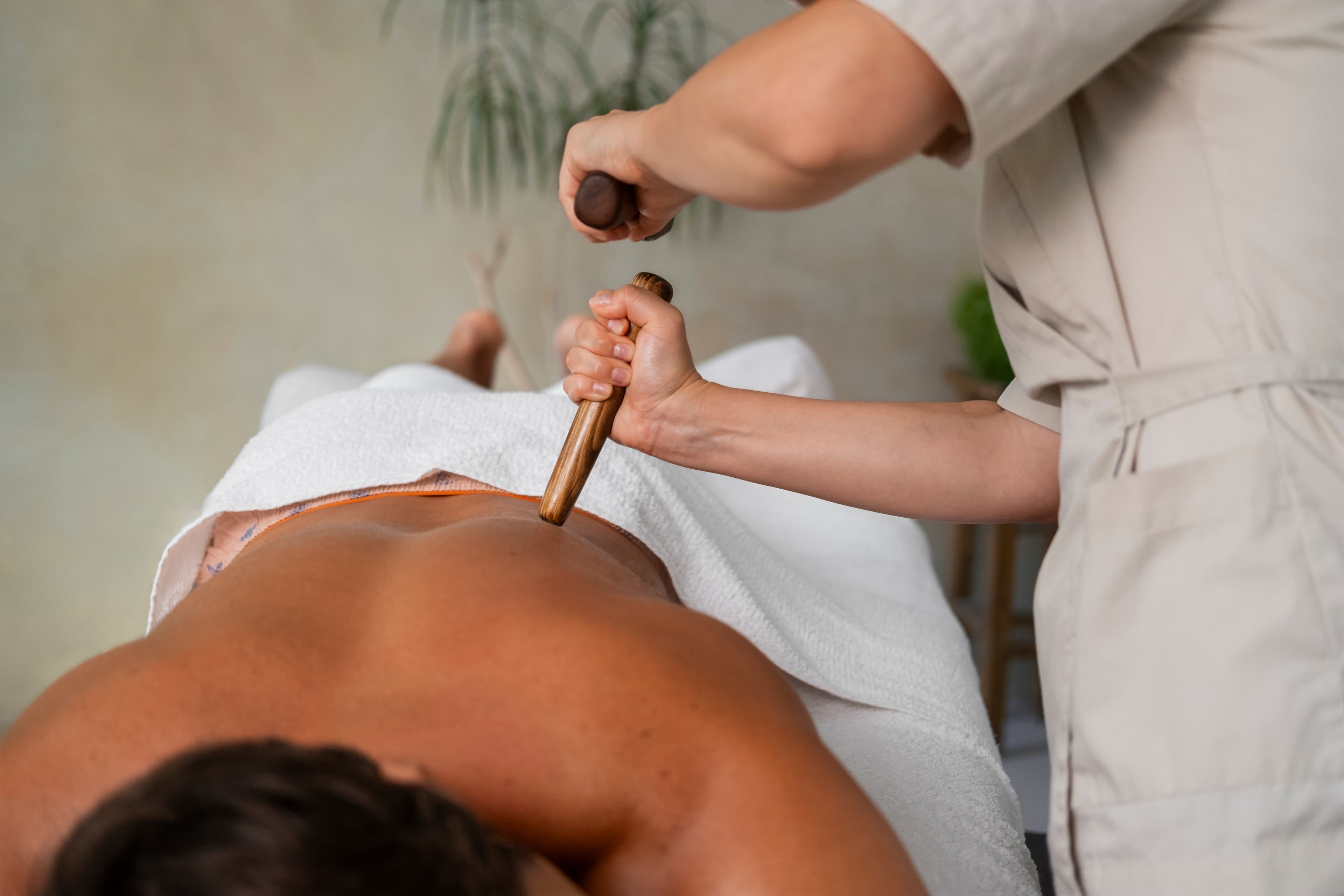

“My son is 4 years old with spastic diplegia. He could not sit independently. After 3 months of daily Abhyanga at home and 2 intensive Panchakarma courses at Ishan — Pizhichil, Nasya, Shirodhara — he now sits independently, crawls, and pulls to stand with support. His physiotherapist noticed the spasticity had reduced significantly.”

Children's Health
Every child holds unlimited potential. Help them reach it.
Cerebral palsy, autism, ADHD, speech delay, and growth disorders are conditions where early Ayurvedic intervention — particularly Panchakarma neurodevelopmental protocols — produces functional gains that continue to compound as the child grows. The brain is most plastic in the first 7 years. This is the window that must not be missed.
- Kaumarbhritya — Ayurvedic Paediatrics
- Paediatric Panchakarma
- Specialist-Led Care

“Kaumarbhritya — the science of child nurturing — encompasses the care of the child from conception through adolescence: feeding, growth, neurological development, disease treatment, and the nourishment of Bala (vital strength).”— Charaka Samhita, Sharira Sthana — one of the 8 branches of classical Ayurveda
A hospital where every child's potential is nurtured.
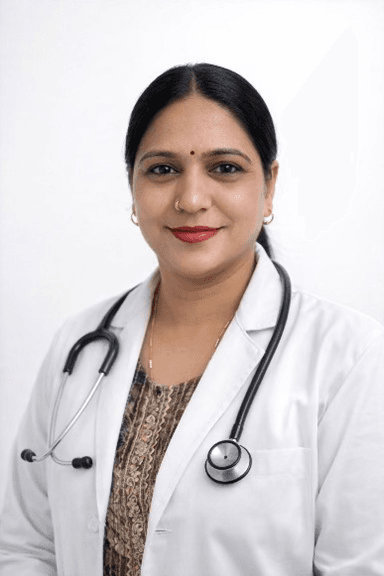
Kaumarbhritya is Ayurveda's entire speciality branch for children — the equivalent of modern paediatrics and neonatology combined. Its unique contribution to neurodevelopmental conditions is the Medhya Rasayana (brain-nourishing herbs) and paediatric Panchakarma protocols — particularly Shiro Abhyanga, Shirodhara, Nasya, and Basti karma specifically adapted for children — which directly stimulate neuroplasticity, myelination, and neurotransmitter balance. At Ishan, our Kaumarbhritya department is led by Dr. Deepmala, a specialist in paediatric Ayurvedic neurology.
- 6NEURO-DEV CONDITIONS
- Dr. DeepmalaKAUMARBHRITYA SPECIALIST
- IPDPAEDIATRIC PANCHAKARMA

Children's conditions we care for
Neurodevelopmental, neurological, and growth conditions in children — treated with paediatric Ayurvedic protocols alongside and in support of conventional therapies, always with the child's and family's wellbeing as the central priority.
Cerebral Palsy (Phakka Roga)
Non-progressive motor disorder from perinatal brain injury — classified as Phakka Roga or Paksha Vata in Ayurveda. Hypotonic, hypertonic, spastic, and athetoid types all share impaired Majja and Mamsa Dhatu nourishment and Vata derangement of motor pathways. Ayurvedic Panchakarma — daily Abhyanga, Pizhichil, Shirodhara, Nasya, and Basti — directly improves motor neuron function, reduces spasticity, improves head control, sitting balance, and upper limb purposeful movements. Best results when started before age 5 — early intervention in the peak neuroplasticity window.
Spasticity or floppinessDelayed motor milestonesAutism Spectrum Disorder (Unmada / Manasika Vikara)
A neurodevelopmental condition affecting social communication, sensory processing, and behaviour. From an Ayurvedic perspective, ASD involves Prana Vata disruption in the Manovaha Srotas, Tarpaka Kapha depletion, and gut dysbiosis as a major driver — Ayurveda recognised the gut-brain connection 2,000 years before modern neuroscience. The gut microbiome imbalance drives neuroinflammation that worsens sensory hypersensitivity, stimming, and social withdrawal. Virechana and Basti karma to correct gut flora + Medhya Rasayana + Shirodhara produce measurable improvements in eye contact, language initiation, sensory tolerance, and social engagement over 6–12 months.
Reduced eye contactSensory sensitivitiesADHD — Attention Deficit Hyperactivity Disorder
Inattentive, hyperactive-impulsive, or combined type ADHD — reflecting Vata excess in the Manovaha Srotas combined with Rajas imbalance in the Manas Prakriti. The Vata-driven ADHD child cannot sit still, cannot filter sensory input, and cannot sequence thoughts — all functions of Prana Vata. Ayurvedic treatment uses Medhya Rasayana (Brahmi, Ashwagandha, Shankhapushpi) to settle Prana Vata; Basti karma to correct gut serotonin production; Shirodhara to reset the HPA axis — without the appetite suppression, insomnia, and growth stunting seen with stimulant medications.
Cannot sustain attentionHyperactivity & impulsivitySpeech & Language Delay (Vak Vikara)
Expressive and receptive language delay, non-verbal children, dyslalia (articulation disorders), and stuttering — classified as Vak Vikara in Ayurveda. Udana Vata governs speech, and its disruption is the primary cause of all speech disorders. Saraswatarishta, Brahmi Ghrita, and Vacha (Acorus calamus — the classical Ayurvedic herb for speech) combined with Shiro Abhyanga and Nasya produces remarkable results in pre-verbal children and children with language regression. Used alongside speech therapy for synergistic effect.
No words by 18 monthsArticulation errorsGrowth Delays & Failure to Thrive
Children with height or weight below the 3rd centile for age, delayed bone age on X-ray, poor appetite, and recurrent infections — all reflecting Rasa Dhatu depletion (malnutrition at the tissue level) and Agni deficiency. Ayurveda addresses the gut malabsorption, Agni weakness, and Dhatu depletion simultaneously: Balya (strength-building) Rasayanas such as Ashwagandha, Shatavari, Amalaki, and Bala are specifically indicated for children. Abhyanga with Bala Taila directly improves muscle mass and bone density in growth-delayed children when done consistently.
Poor appetiteDelayed bone ageRecurrent Infections & Low Immunity
Children with more than 6–8 upper respiratory infections per year, recurrent otitis media, recurring fevers, and tonsil hypertrophy — all indicating Bala (vital immunity) depletion and Kapha imbalance in the respiratory channels. Ayurveda's Suvarnaprashan (classical gold-infused immunity tonic for children) performed on Pushya Nakshatra, combined with Chyavanprash, Sitopaladi Churna, and Tulsi — builds immune resilience over 3–6 months, reducing infection frequency by 50–70% in most children, often allowing tonsillectomy to be avoided.
6+ colds per yearRecurring tonsillitis
How Ayurveda treats children's neurodevelopmental conditions
The neurological basis of Ayurvedic paediatric treatment rests on one profound insight: the brain is most plastic in the first 7 years of life. Every neural connection, every myelinated axon, every neurotransmitter pathway is being formed and refined during this window. Ayurvedic treatment in this window — through Medhya Rasayana, paediatric Abhyanga, Nasya, and Basti karma — directly participates in this formation process in a way that becomes progressively harder to achieve as the brain matures.
- 1
Paediatric Assessment
Comprehensive developmental history, milestones review, current therapy reports (speech, OT, ABA, physio), diet and feeding history, Prakriti assessment, and Nadi Pariksha. For CP: gross motor function classification (GMFCS level), spasticity grading (modified Ashworth scale), and cranial MRI review. For ASD/ADHD: standardised behavioural scales, gut health assessment, dietary trigger mapping.
- 2
Gut Correction — Agni & Ama
Before any Rasayana, the child's gut must be corrected — Ama removal and Agni strengthening. Child-appropriate doses of Deepana-Pachana herbs (Trikatu in small dose, Guduchi, Haritaki) for 2–4 weeks. Dietary assessment for food intolerances (gluten and casein sensitivity is common in ASD). Probiotic foods (Takra — buttermilk) and prebiotic dietary fibre are introduced. Constipation (extremely common in CP and ASD) must be fully corrected before any other treatment proceeds.
- 3
Paediatric Panchakarma
Age-appropriate Panchakarma — doses and procedures scaled to the child's Bala (strength), age, and condition: Shiro Abhyanga (head massage daily — the most important single procedure for all neurological conditions in children), Shirodhara (from age 5+ — reduces sensory hyperreactivity in ASD, calms ADHD, improves sleep), Nasya (from age 5+ — Saraswata Ghrita for speech, Brahmi Ghrita for cognition, Vacha Taila for CP), Basti karma (from age 7+ — Ksheera Basti for CP and growth delay, Niruha Basti for ASD gut dysbiosis).
- 4
Medhya Rasayana
The cornerstone of Kaumarbhritya neurodevelopmental treatment — Brahmi (Bacopa monnieri: proven memory consolidation and anxiety reduction in children's trials), Shankhapushpi (cognitive enhancer, serotonin modulator), Vacha (Acorus calamus: specific for speech disorders — the etymology of Vacha means "to speak"), Ashwagandha (GABA modulation, reduces hyperactivity and promotes sleep architecture), Amalaki (antioxidant protection of developing neural tissue). Formulated as Brahmi Ghrita, Saraswatarishta, or Medhya Lehyam based on the condition.
- 5
Family Protocol & Home Practice
Daily home practice is as important as clinical sessions: Shiro Abhyanga (10 min daily before bath — parents are trained to perform this), Pratimarsha Nasya (2 drops Saraswata Ghrita before school), dietary protocol, sleep hygiene, and sensory diet coordination with the child's OT. Suvarnaprashan for immunity is given monthly on Pushya Nakshatra. Parents are active treatment partners, not passive observers — this shifts outcomes dramatically.


Ayurvedic framework for neuro-dev
Each neurodevelopmental condition has a specific Dosha-Dhatu-Srotas profile — allowing targeted, personalised treatment rather than a single protocol for all children.
Prana Vata — Motor & Cognition
Primary dosha in CP, speech delay, ADHD, and ASD. Controls all motor and sensory nerve function. Vata-pacifying Abhyanga with Bala Taila is the single most important treatment for all these conditions — performed daily without exception.
Majja Dhatu — Neural Tissue
The nervous tissue — white matter, grey matter, and peripheral nerves. Depleted in CP (brain injury), growth delay, and recurrent infection states. Rebuilt specifically through Ksheera Basti (milk enema) and oral Ksheerabala (milk-processed herb oil). Responds best in children under 7.
Tarpaka Kapha — Brain Nourishment
The cerebral fluid that nourishes and protects the CNS. Its depletion produces cognitive slowness, language delay, and emotional flatness in children. Rebuilt by Brahmi Ghrita, Chyavanprash, and Shirodhara — which replenishes Tarpaka Kapha most directly.
Bala — Vital Strength
The child-specific vital force — equivalent to Ojas in adults but developing and fragile. Suvarnaprashan, Chyavanprash, and Balya Rasayanas (Ashwagandha, Shatavari, Bala) build Bala progressively — improving immunity, growth rate, stamina, and neurological resilience simultaneously.

Our Kaumarbhritya department
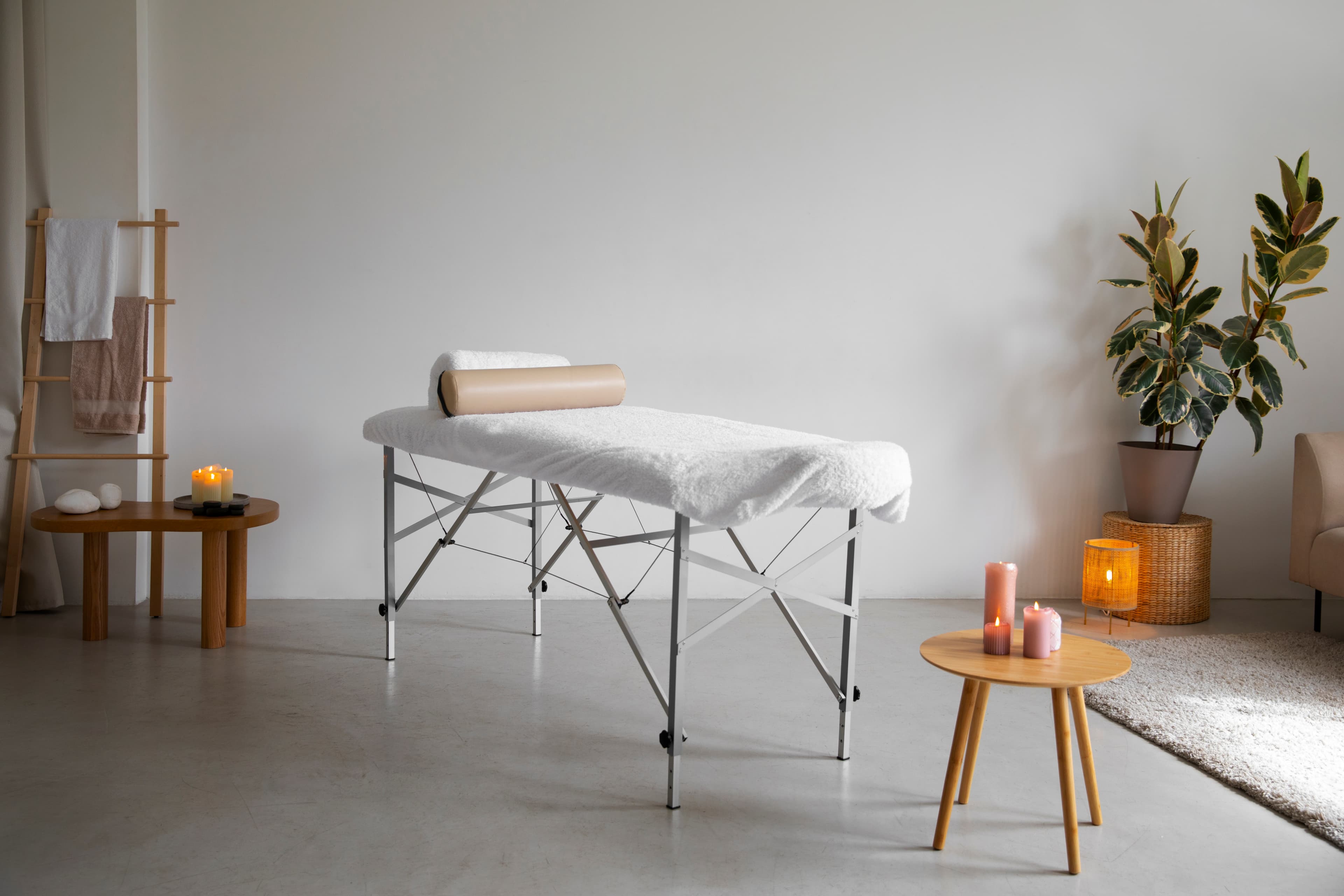
A dedicated paediatric-friendly environment — child-sized therapy tables, gentle lighting, and a calm atmosphere designed to help neurodevelopmentally sensitive children feel safe and comfortable.


Real lives. Real healing. Real freedom.
“Our daughter was non-verbal at age 3 and we had been told to focus only on ABA. We added Ayurvedic treatment at Ishan — Shirodhara, gut correction, Brahmi Ghrita, and dietary changes. By month 4 she started saying 3-word phrases. By month 8 she had 50+ words and was making eye contact consistently. ABA alone had not produced this in 18 months.”
Book Your Appointment
Ready to start your healing journey?
Schedule your appointment today,
Email - info@ishanayurved.com
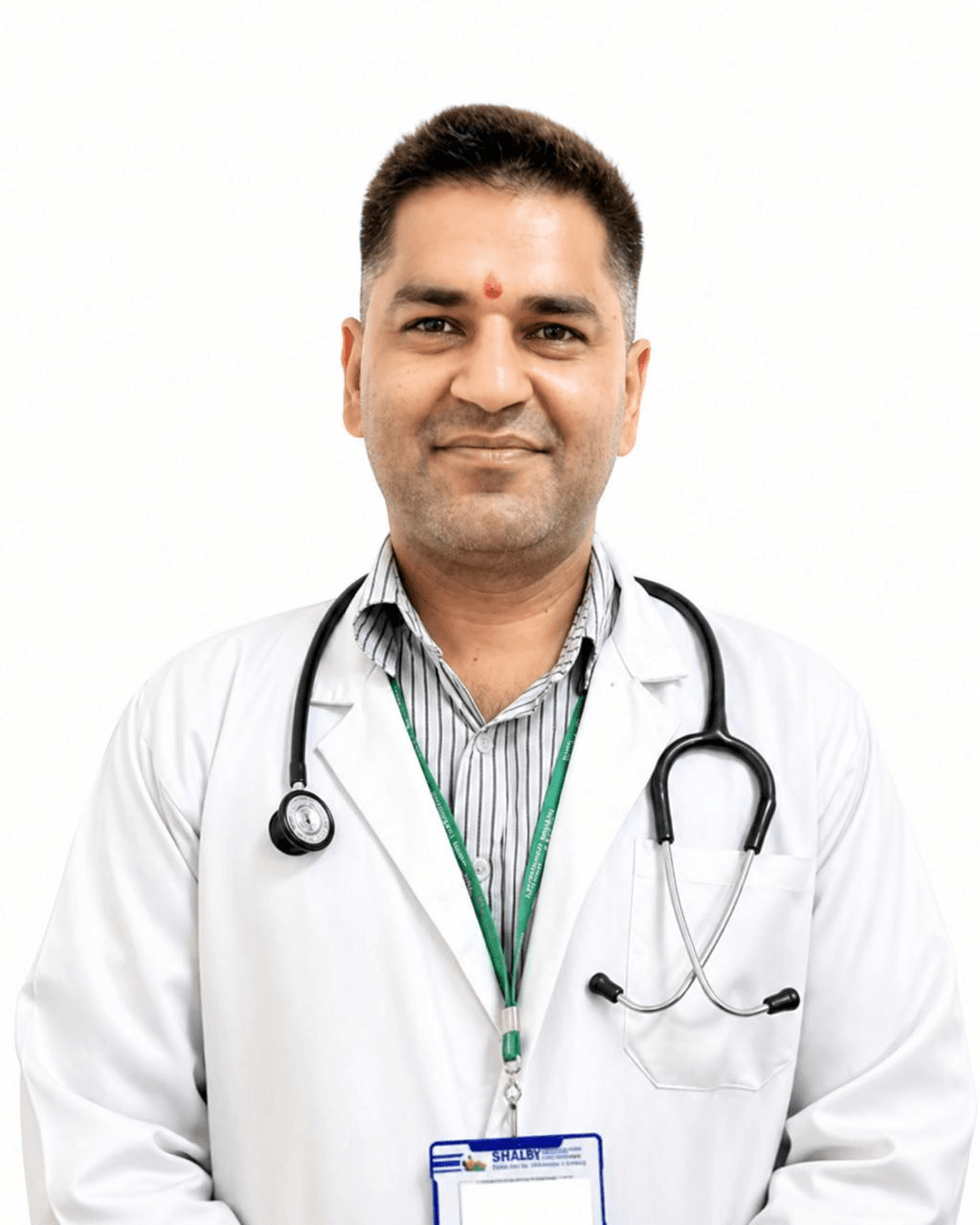
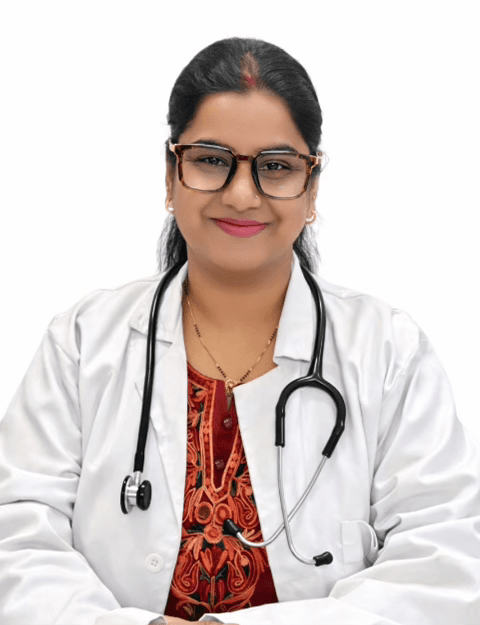
Doctors who treat children's health conditions
Our Paediatric (Balroga) consultants specialise in child growth, cerebral palsy, developmental delays, immunity, and Swarnaprashan — early Ayurvedic intervention for lifelong wellbeing.


Related conditions we treat
Mind & Stress
Anxiety, Insomnia, Paralysis
Eye & ENT
Sinusitis, Dry eyes, Tinnitus
Digestive Health
IBS, Acidity, Jaundice
Women's Health
Postnatal, PCOD, Fertility
Do not wait — seek evaluation if your child shows these signs
Early intervention produces dramatically better outcomes. Never delay assessment waiting for the child to "grow out of it."
- No words by 18 months
- Loss of previously acquired words
- No walking by 18 months
Frequently Asked Questions
As early as possible — this is the single most important clinical message. For cerebral palsy, Abhyanga with Bala Taila can begin from 3 months of age. For autism, the neurodevelopmental window is widest before age 5 — every 6-month delay reduces the neuroplastic response to treatment. For ADHD and speech delay, treatment can begin from the moment of diagnosis or strong suspicion. The Medhya Rasayana herbs (Brahmi, Shankhapushpi, Ashwagandha) are safe from age 1 onwards in appropriate doses. Shirodhara and Nasya can begin from age 5. Basti karma from age 7. There is no minimum age for Suvarnaprashan — it is given to children from birth.
Absolutely not — and this is a point we emphasise strongly at every first consultation. Ayurvedic treatment is a powerful neurological foundation that makes conventional therapies work better and faster — it does not replace them. ABA creates behaviour structures, speech therapy builds language circuits, OT addresses sensory integration — Ayurveda improves the neurological substrate (nerve myelination, neurotransmitter balance, gut serotonin production, cortisol regulation) that all of these therapies build upon. Families who integrate both consistently see significantly faster progress than either approach alone. We actively communicate with speech therapists and OTs about the child's progress and ask families to share our reports with their therapy team.
Daily home Abhyanga is the single most important factor separating children who make dramatic progress from those who make modest progress in our clinical experience. Tactile defensiveness (not liking to be touched) is extremely common in ASD and sensory processing disorder — and it is precisely why Abhyanga is the treatment. The nervous system learns to accept and enjoy touch through graduated, consistent, gentle exposure. We train parents in the specific technique — starting with the feet (least threatening), using the correct oil temperature and pressure, establishing a predictable routine before bath time. Most children with initial tactile defensiveness become relaxed during Abhyanga within 2–4 weeks of consistent practice. By month 2, many actively request it.
Suvarnaprashan is Swarna Bhasma (classical nano-gold ash, not metallic gold) mixed with Brahmi Ghrita, honey, and Vacha, administered in micro-doses orally. The safety of Swarna Bhasma at classical doses has been established in multiple toxicological studies — nano-particle gold at these doses (micrograms) is not toxic and is not bioaccumulating. The mechanism of action includes immune modulation (macrophage activation, Natural Killer cell enhancement), cognitive enhancement (cholinergic and dopaminergic stimulation), and antioxidant neuroprotection. The Gujarat government's Suvarnaprashan programme — the largest public health Suvarnaprashan initiative globally — has administered it to over 1 million children with an excellent safety record and documented cognitive and immunity benefits.
This is a nuanced answer. For children who have not yet started stimulant medication, a 3–6 month Ayurvedic trial is a reasonable first approach for mild-to-moderate ADHD — particularly if the child has gut dysbiosis, sleep disturbance, or sensory sensitivities that respond well to Ayurvedic treatment. For children already on stimulant medication who are experiencing good symptom control but struggling with side effects (appetite suppression, sleep onset, growth stunting), Ayurvedic treatment can address the side effects without discontinuing the medication. Medication taper is possible for some children over 12–18 months of Ayurvedic treatment — but only in coordination with the prescribing child psychiatrist or paediatrician, and only when clinical progress clearly supports it. We never advise unilateral medication discontinuation.